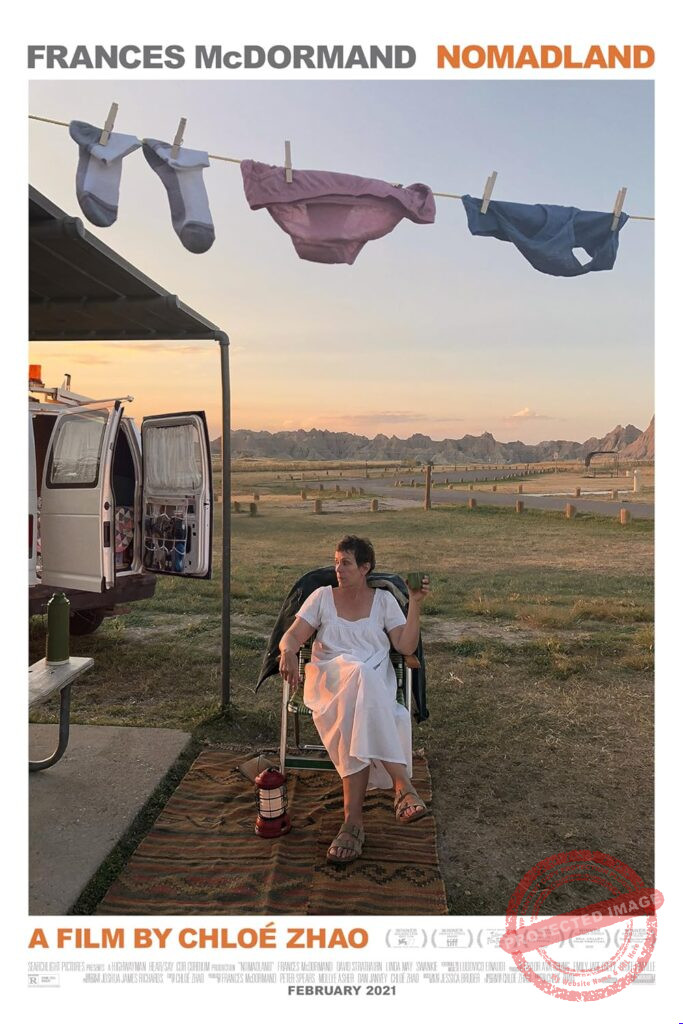
4th time watching & 2nd time watching.

THE FILM MIND: THE GEOMETRY OF THE RETURN
When observed as parallel blueprints, The Secret Garden and Nomadland map the profound transition from a fortress of survival to the open windows of integration. They are not films about merely changing locations; they are clinical case studies of a psyche reclaiming its space after a long war, shifting from structural collapse to the quiet, steady occupation of reality.
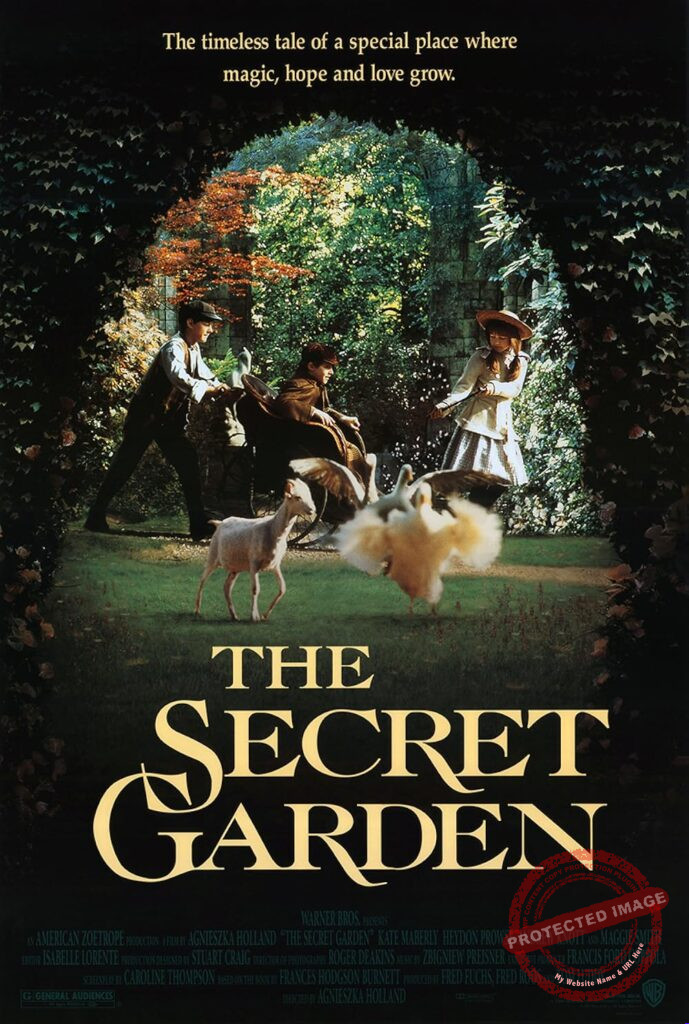
- The Geometry of the Freeze Response: In The Secret Garden, Mary Lennox and her cousin Colin begin their arcs in a state of literal and psychological lockdown. Trapped inside Misselthwaite Manor, a house that shakes with the phantom weight of unaddressed grief, their minds have lowered the voltage to survive. Colin’s psychosomatic paralysis is the ultimate manifestation of Hiamlan, the stillness that watches even when nothing moves, a structural collapse designed to keep the system from shattering. Their chronic tension isn’t discipline; it is a desperate translation of an oppressive, neglected environment.
- The Architecture of Consent: Regeneration only begins when Mary dares to look into the mirror of the pattern, discovering the locked door. The walled garden acts as a physical manifestation of Consent After Removal. It requires a whisper of permission to enter. Mary, Colin, and Dickon don’t impose order on the dead branches; they simply witness the life underneath, stepping back to let the flame without a command grow into a steady warmth. They stop acting as caretakers under orders and become companions to the soil.
- Memory Without Occupation: Nomadland explores this exact same architecture but through the lens of a vast, modern landscape. Fern is a nomad not because she is lost, but because her forward path was blocked by the death of her town and her husband. Her van, Vanguard, is a tiny room she occupies to keep her history alive. For a long time, her grief threatens to occupy every single room of her psyche. But her journey through the American West is a masterclass in learning to carry the voices of the past as stars rather than anchors.
Two cinematic masterclasses that show the end of a long survival cycle. They demonstrate that healing isn’t about building a sturdier fortress, but about finding a realm without a throne where you can finally put the weight down.
A Personal Reflection
Watching The Secret Garden for the fourth time alongside Nomadland for the second time felt like walking through the very rooms of my own journals from 2024 and 2025: Ash and Silver. Sitting in the quiet after my own long war, I recognized the exact moment on screen when the floor finally becomes steady enough to support a chair, a warm cup of tea, and the freedom to stay.
I felt a deep, visceral relief watching Colin finally stand up in that garden, shedding his armor of frailty. I know that exact moment of radical honesty, the relief of a weight finally put down when you admit that your survival mechanisms were just a desperate attempt to stay safe in a world not built for you. Like Mary and Colin, I spent years justifying my existence by how much internal or external labor I could carry, treating my chronic tension as a badge of honor. But watching them simply sit in the grass doing nothing at all reminded me of the challenge I set for myself: discovering what doesn’t disappear when you stop being useful.
Fern’s journey in Nomadland mirrored a different, quieter room in my house, the one dedicated to Memory Without Occupation. I looked at her driving through the grey, beautiful stillness of the desert and recognized the voltage of the freeze response. She was standing guard over her own shadow, terrified that letting go of her physical home meant erasing her identity. When she finally returns to the empty, abandoned factory town at the end of the film, walks through her old house, and exits through the back gate into the vastness, she isn’t running away anymore. She is reclaiming a boundary. Her “no” to a traditional house is finally loud enough to make her “yes” to the open road authentic.
These films are beautiful mirrors of what living feels like when the child no longer has to be strong. They don’t end with grand, triumphant crowns or dramatic saviours. They end with a return. They end with Mary’s uncle finally walking through his own open windows, and Fern pulling her van back onto the highway with a quiet, integrated peace. They reminded me that my own scars aren’t a cage; they are the keys to the life I’ve finally claimed. The house has finally stopped shaking, the flame close to my hearth no longer needs to destroy, and I am finally ready to just sit, look out at the terrain, and breathe.


Blog Categories*
*This blog extends ideas from the novels, reflections, process writing, and lived experience behind the stories.
Leave a Reply