5th time watching & 1st time watching

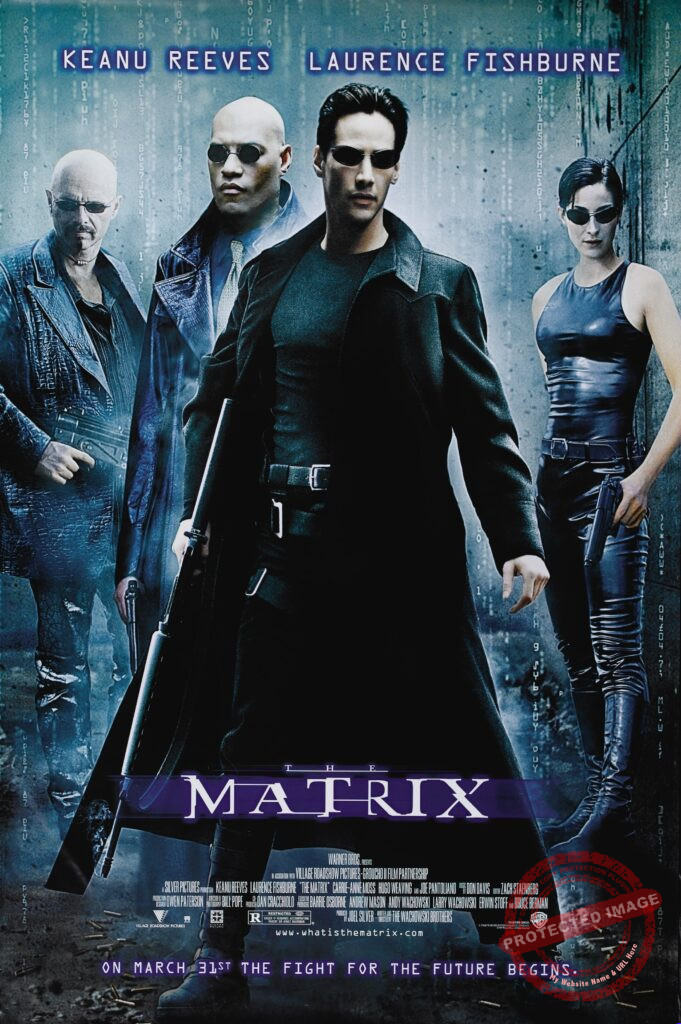
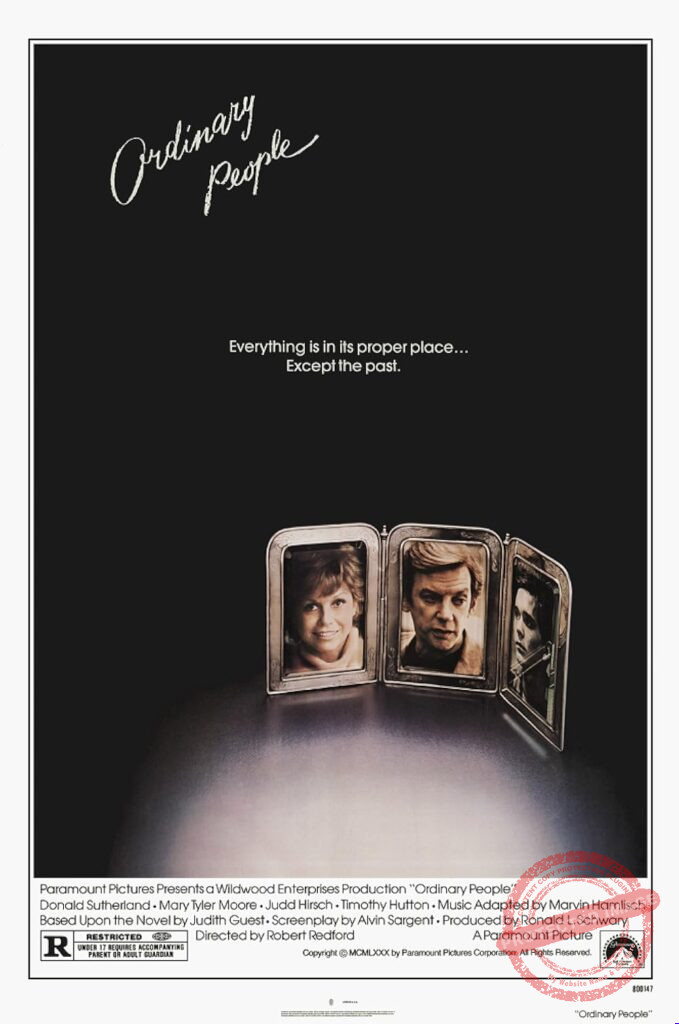
THE LANTERN VS. THE MATRIX
When analysed together, The Matrix and Ordinary People stand as brilliant structural pillars demonstrating the exact same psychological truth: no one can hand you a borrowed path to freedom. One operates on the grand scale of sci-fi myth, and the other within the quiet, devastating walls of an upscale suburban home. Yet both are intense case studies in what happens when an individual is fumbling in the dark, looking for a mechanic, but ultimately needing to find the key to their own lock.
- The Myth of the Mechanic: In The Matrix, Neo initially looks for answers outside himself. He wants a saviour to open the hood of reality and fix it. But Morpheus establishes the ultimate Golden Rule of the film: “I can only show you the door. You’re the one that has to walk through it.” Morpheus doesn’t hand Neo a customized map or a sermon on how to think. He simply holds a high-intensity lantern over the illusion of the digital cage. Neo’s ultimate integration only happens when he stops relying on the “expert” prophecy of the Oracle and locates the key that was in his own pocket all along.
- Holding the Light in the Storm: Ordinary People brings this identical therapeutic tug-of-war down to earth with heartbreaking precision. Conrad sits in Dr. Berger’s office desperately looking for a shortcut to stop his emotional hemorrhaging. He wants a vending machine for trauma-solving secrets. He wants to be told what to do so he can be “normal.” But Berger is a master of boundaries. He refuses to give a sermon or provide an easy fix. Instead, he holds the light steady over Conrad’s repressed pain, allowing him to fumble through the shadows until Conrad faces the glint of his own raw strength.
- The Authentic Awakening: Both films reject the concept of the borrowed path. If Morpheus fought the agents for Neo, or if Dr. Berger forced a manufactured solution onto Conrad, it would be a form of self-betrayal for the characters. The true healing in both narratives occurs at the exact moment the protagonist realizes the victory belongs entirely to them.
These two films prove that true growth cannot be engineered by an outsider; an expert can only illuminate the room, but the lock must be turned from the inside out.
Leave a Reply