1st time watching.
THE FILM MIND: Clipped Wings in a Neon Sanctuary
Sometimes, our “world” isn’t a choice, it’s a construct created by those who raised us.
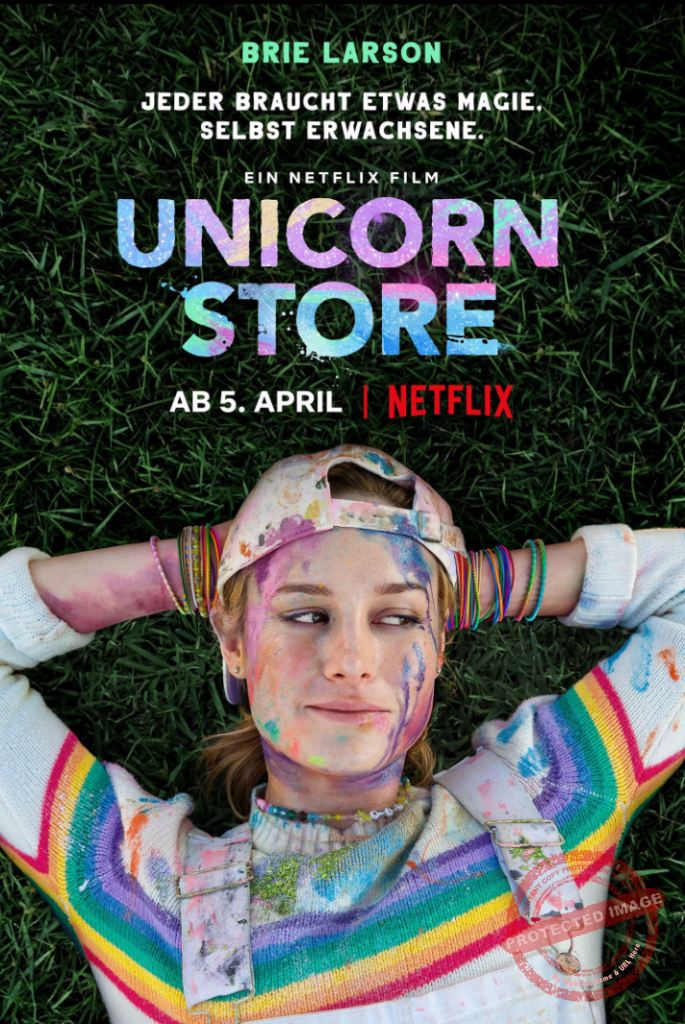
What looks like a “weird as hell” movie about a glitter-obsessed adult is actually a subtle study of how family dynamics dictate our coping mechanisms. I’m genuinely surprised that a film like this got made. In a sea of predictable cinema, it’s a massive risk that left me thinking, “What the actually f*** is this saying?” Only to find it has layers deeper than I ever expected.
The Glitter Wall vs. Reality
Kit isn’t spoiled, she’s a product of extreme protection. Her parents, who work daily with traumatized youth, created a home sanctuary so kind that Kit missed the window for “hard” maturation. She stayed “stuck” in a world of unicorns because it was the only reality ever validated.
Kit’s parents heal trauma for a living, but by over-shielding their own child from the “monsters” they see at work, they accidentally clipped her wings. Kit needs a unicorn store just to give herself permission to grow up on her own terms.
“Stick in a Box” – Art as Non-Belonging
Choosing to study a “stick in a box” is her cry for help. It’s the inability to translate her internal vision into a language the “normal” world accepts. She isn’t just looking for her place, she’s trying to force the world to accept the box she lived in.
Kit is mature, but in an infantile style. Her imagination is an escape route. The film shows the moment reality hits the wall of magic, teaching her that you can be an adult without destroying your inner sanctuary, but she must learn to live outside of it, too.
Ultimately, a film that makes you ask questions is a film that has achieved its purpose. It’s not about liking the story, it’s about the mental shift it forces you to experience.
A Personal Reflection
Honestly, considering I both those 20 books to a house that already has no room for them, maybe my unicorn is just made of paper and glue. We all have our glitter walls.
Blog Categories*
*This blog extends ideas from the novels, reflections, process writing, and lived experience behind the stories.
Leave a Reply