2nd time watching & 1st time watching
THE FILM MIND: THE ANATOMY OF THE TERRAIN
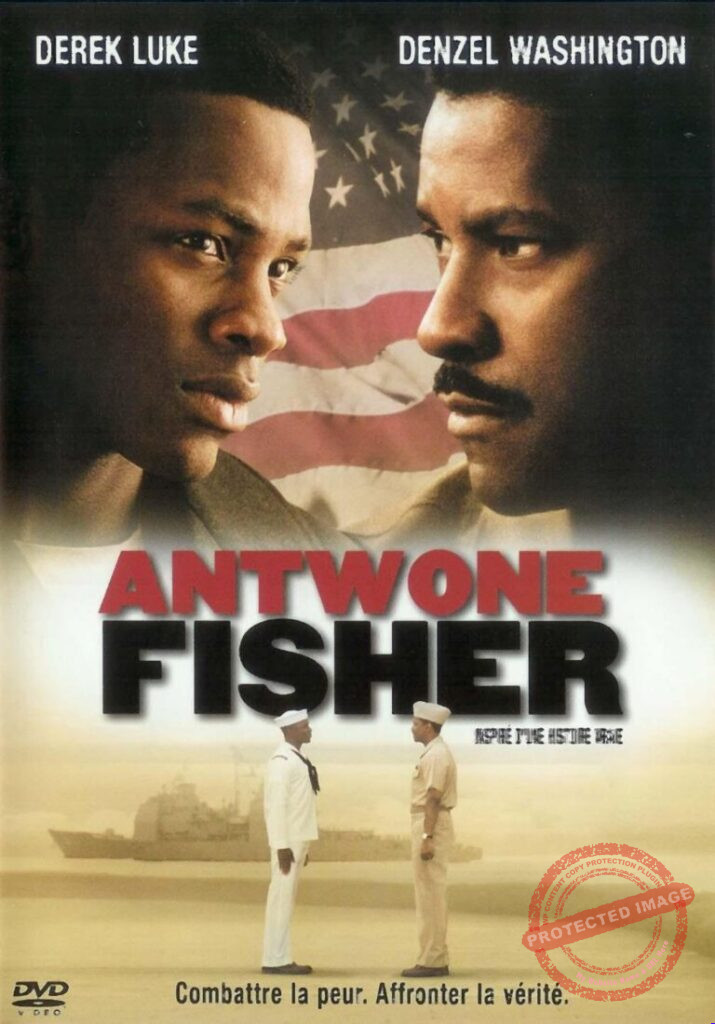
When analysed side by side, Antwone Fisher and The Perks of Being a Wallflower shatter the grand myth of the invulnerable fortress. These narratives are not clean, idealized case studies about the absence of struggle; they are raw, cinematic maps of human mechanics under extreme stress. They showcase the precise moment where trauma stops being a ghost hiding in the dark and becomes a deconstructed blueprint for survival.
- The Fire and the Map: In Antwone Fisher, the therapeutic relationship is stripped of all sterile academic detachment. Dr. Davenport is not an untroubled spectator looking down from a safe shore; he is a guide who understands the anatomy of the trenches because his own life bears the scars of internal conflict. When Antwone’s defense mechanisms flare up, Davenport doesn’t flinch. He can sit in that fire without backing away because he has lived its mechanics. He holds the lantern steady, demonstrating that a safe mirror is one that is honest enough to undergo its own constant maintenance.
- The Glitchy Architecture of Isolation: In The Perks of Being a Wallflower, Charlie’s mind operates with a different kind of intensity. He is the ultimate quiet observer, drowning in a flood of un-boxed background data, processing memories he isn’t quite ready to integrate. His neurodivergent cadence and history of trauma make standard “Surface Talk” impossible. He doesn’t need an invulnerable fortress to save him; he needs a pack. It is through Sam and Patrick, fellow works in progress who don’t demand perfection, that Charlie learns his broken pieces are exactly where the light gets in.
- The Crucial Shift to “How”: Both films reach their true resolution not when the characters’ histories are magically erased, but when they stop asking “Why me?” and begin the functional process of asking “How do I move forward?”. Antwone confronting his past and Charlie standing in the back of the truck are not displays of flat, unblemished mental health. They are displays of active, lived resilience.
Two profound case studies showing that whether a guide is a Master of the Map or a Master of the Terrain, the goal remains identical: helping a fragmented psyche navigate the current until it finds its way back to the shore.
A Personal Reflection
Watching these two films back-to-back, right after the dust has finally settled on my own dissertation defence at the beginning of this month, felt like a deep, visceral breath of fresh air. Witnessing Antwone fight his way through the mud and watching Charlie struggle to un-box his own internal landscape hit incredibly close to the trenches I’ve spent years navigating.
I smiled at the running joke in our professional circles during Antwone Fisher, the reality that we often dive into the architecture of the mind to understand our own fires, only to realize we need our own mirrors to see ourselves clearly. Watching Dr. Davenport manage his own domestic storms while holding space for Antwone’s explosive pain was a beautiful, radical validation of what it actually means to sit in the chair. My academic papers and my newly uploaded “academic glitch” are just formal steps. My real credentials were bought with the currency of my own survival, my dyslexia, the crushing weight of past burnout, and the dark eye of my own emotional storms.
There are brilliant professionals who are Masters of the Map, colleagues I deeply respect for their native balance, steady hands, and untroubled clarity. The world absolutely needs their stable sanctuary. But watching Charlie find his people in Perks reminded me so intensely of my own “pack.” We are the Masters of the Terrain. We know the scent of the rain because we’ve been drenched by it. When a client sits across from me fumbling in the shadows, I don’t offer a clinical sermon from a position of perfection; I offer a hand from someone who has crawled through the exact same mud and built a sturdier lighthouse from the debris.
Clutching my thesis like a lifeline a few weeks ago, surrounded by empty coffee cups, was a messy, glitchy process. It reminded me that we don’t need to be invulnerable fortresses to be profoundly functional. Antwone Fisher and The Perks of Being a Wallflower didn’t leave me thinking about dry data or psychological theories. They reminded me to stop explaining the correlation of stress to my cat, Puffy, and to just appreciate the silence of the climb. We are all just works in progress guiding other works in progress, showing each other that you can face the fire, ask the hard questions, and learn to navigate the storm one resilient day at a time.

Blog Categories*
*This blog extends ideas from the novels, reflections, process writing, and lived experience behind the stories.
Leave a Reply