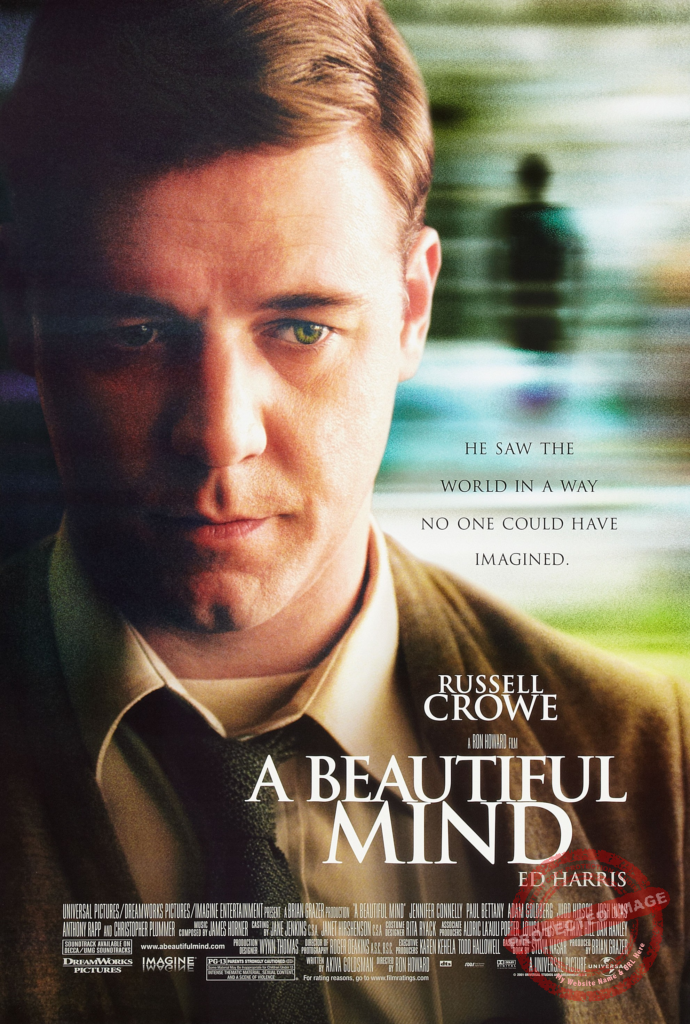
When looking at the structure of a narrative like A Beautiful Mind, my focus is on the profound mechanics of an unquiet intellect. The film offers a visceral look into a mind that is entirely incapable of flat processing. John Nash’s world is not built on standard data; it is a three-dimensional, dynamic ecosystem where patterns bleed out of window panes and secret codes decode themselves in real-time.
The Architecture of the Subconscious: Nash doesn’t just think; he constructs. His mind operates in a state of radical, hyper-analytical honesty where everything, from the movement of pigeons to the tie patterns of his colleagues, must be mapped and deconstructed. This is the ultimate depiction of a brain that doesn’t switch off at 5 PM. The tragedy and the beauty of his structure lie in the fact that his internal processing speed is so committed to finding the truth that it begins to generate its own reality just to keep up with the demand for patterns.
The Weight of the Boulder: The film masterfully strips away the superficial glamor of genius to expose the raw exhaustion beneath it. Nash’s journey isn’t a walk down a straight path; it is a brutal, relentless climb up a mountain, pushing a boulder of crushing cognitive overload. The system stays in a constant state of high arousal, working three times harder than the “typical” minds around him just to anchor himself to a shared reality. It is a testament to sheer grit, conquering a chaotic internal wasteland day after day.
The Functional Reintegration: The climax of Nash’s internal arc isn’t a “cure,” but a brilliant, painful truce. He stops fighting the noise and learns to coexist with the ghosts of his mind. By acknowledging that his projections will never truly sleep, he integrates them into his functional ecosystem. He chooses authenticity over a forced illusion of normalcy, finding a core of unfiltered resilience that allows him to look at his own chaotic thoughts and say, “I no longer apologize for the weight.”
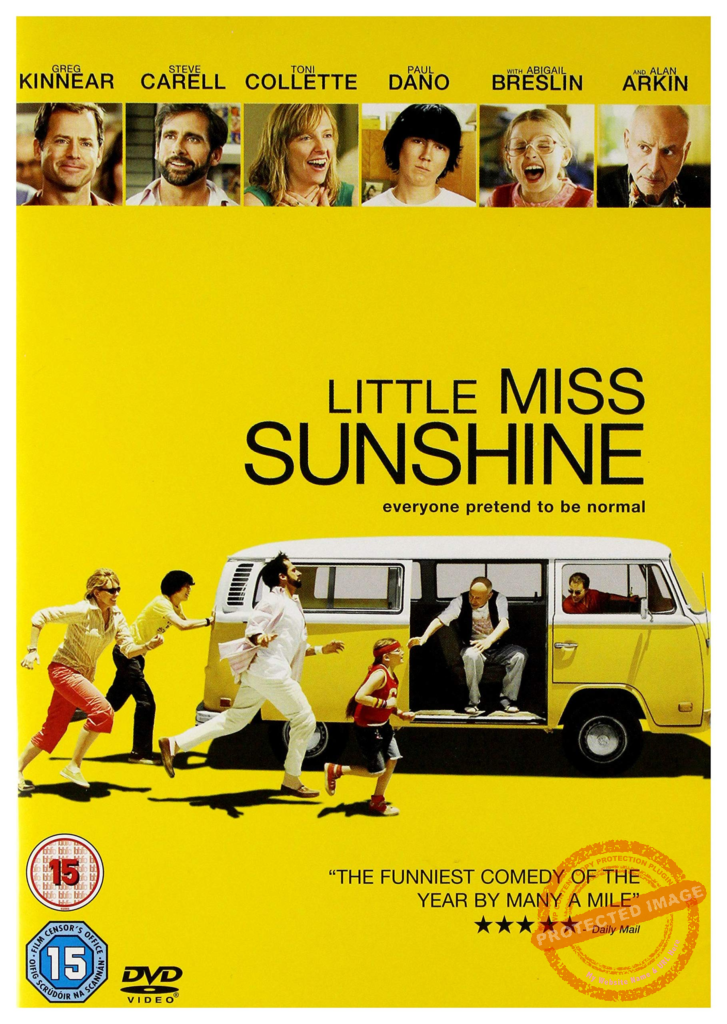
Little Miss Sunshine is not a movie about a road trip; it is a brilliant case study of a hereditary, multi-generational glitch. It’s an organized riot on wheels, where every single character is wired differently, creating a beautiful, chaotic ecosystem that leaves the rest of the world staring in absolute silence.
The Anatomy of the Unfiltered: The Hoover family doesn’t do “Surface Talk.” They don’t have an “off” button. From the grandfather’s unfiltered behavioral outbursts to Dwayne’s absolute, silent vow of silence, every interaction is a high-intensity file download. They don’t have polite dinner conversations; they perform emotional autopsies over a bucket of fried chicken, completely oblivious to the social protocols the outside world expects them to follow.
The Dissection of False Hope: Richard, the father, is trapped in his own logic-on-steroids, desperately trying to apply a rigid 9-step “Winner” manual to a reality that refuses to cooperate. Meanwhile, characters like Frank, the uncle, sit on the sidelines as a cynical forensic specialist, dissecting the absurdity of their situation. They are a team that uses their individual psychological scars as weapons, breaking down linear arguments until the environment around them is left in a state of existential crisis.
The Sniper of Truth: In the middle of this chaotic debate team is Olive, the 7-year-old. While the adults are busy drowning in their own hyper-analysis, granular failures, and mid-life breakdowns, Olive acts as the emotional Sniper. She waits on the sidelines, processing the madness, and then delivers raw, unsettlingly pure moments of clarity. She is the one who reminds this dysfunctional squad of special forces that when the world refuses to make sense, the only logical thing left to do is dance.
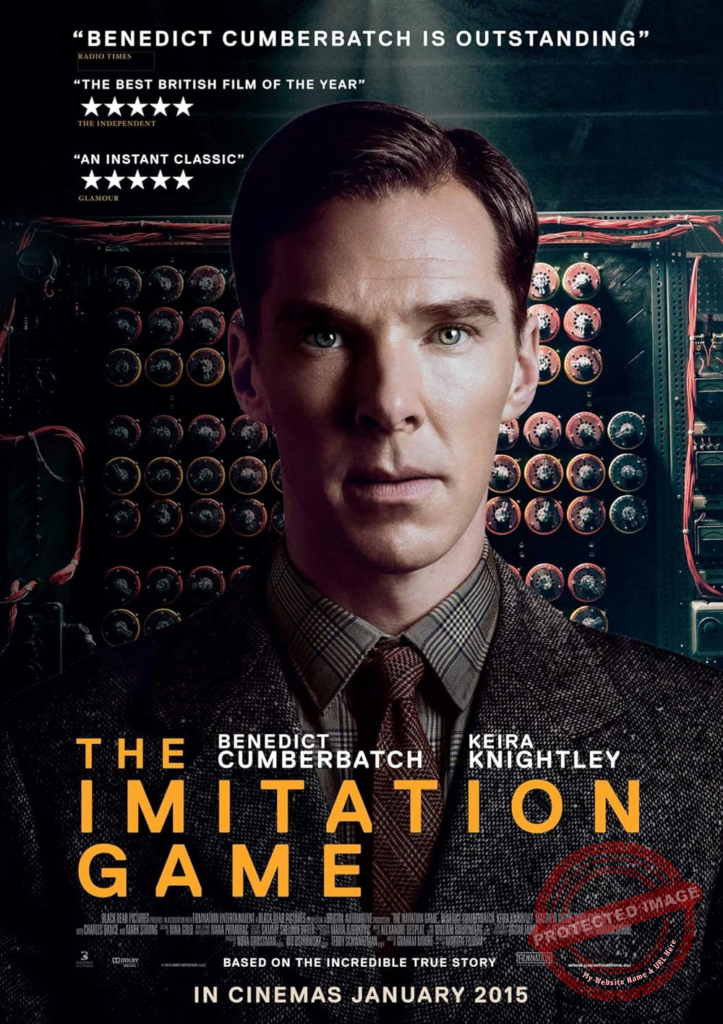
In The Imitation Game, Alan Turing’s psyche presents a profound study of what happens when the internal processing speed of an individual completely outpaces the collective consensus of their environment. It is not a story about a machine; it is a clinical dissection of the isolation that comes with carrying an invisible map.
The Flood of Data vs. Group Consensus: Turing doesn’t fail to communicate out of malice or a lack of interest; he fails because his brain is downloading massive files in the background while others are still trying to read the cover of the book. In the Bletchley Park think-tank, his silence (and his sudden, sharp declarations) are interpreted as arrogance. In reality, it is the classic overload of someone who sees the “Anatomy of the Goal” instantly, while the team is still arguing over the first step.
The Premature Solution as a Social Barrier: Christopher, the machine Turing builds, is the ultimate externalization of his internal radar. While his colleagues are trying to solve the Enigma code manually, essentially arguing over an upside-down paper map, Turing has already bypassed their circular discussions. He proposes the macro-solution too early. Because he cannot slow down his mind to match the group’s chronological pace, his visionary foresight is pathologized as non-cooperation.
The Exhaustion of the Big Picture: The tragedy of Turing’s structure is the sheer weight of his clarity. Seeing every granular detail, every potential failure, and every “what if” before anyone else even registers the problem is a mental marathon. The film beautifully highlights this exhaustion: the burden of being at the finish line alone, waiting in the dark for the rest of the world to catch up and turn the lights on.
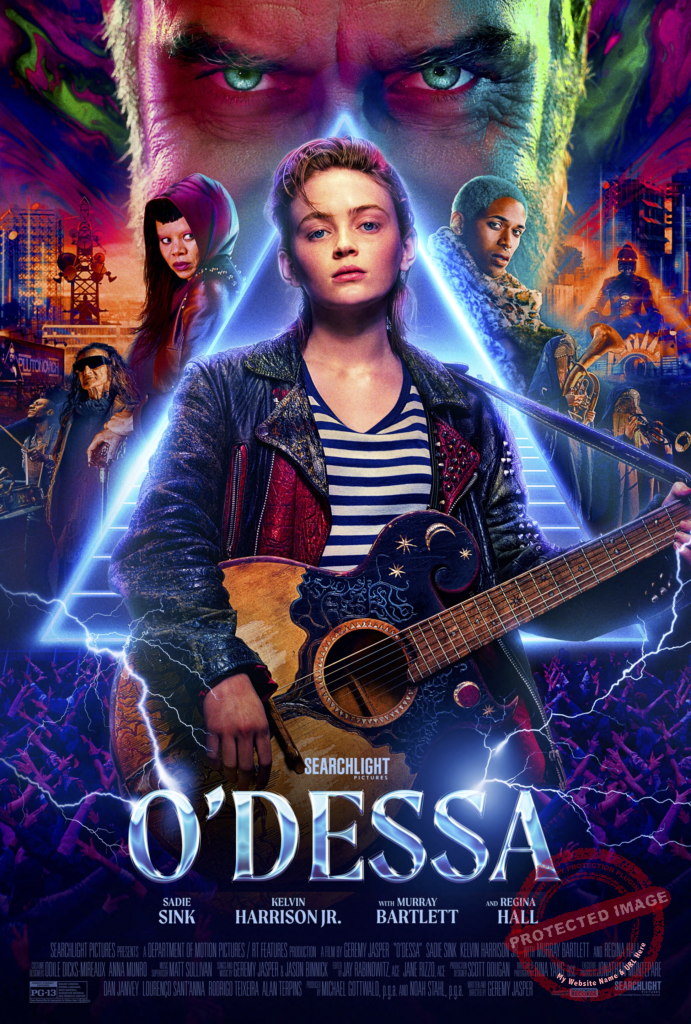
As a psychologist, I naturally look for a psychological structure to engage with, a coherent internal arc or a visible defence mechanism. In O’Dessa, I found myself observing a phenomenon of sensory anesthesia.
The film presents a world where the “visual volume” is turned up so high that the internal experience becomes difficult to track. It isn’t a lack of story, but rather a study of how noise can overwrite identity.
Overstimulation as a Barrier: The aggressive graphics act as a constant sensory input that seems to bypass the emotional processing centres of the brain. When the system is this overstimulated, it stays in a state of high arousal, making it difficult to access deeper, nuanced feelings.
Performative Survival: In this destructured society, we don’t see traditional attachment patterns. Instead, we see characters performing roles. It’s an environment where “being” is replaced by “acting,” a common adaptation in highly unstable or oppressive social structures.
The Split Identity: In the final scene, when the antagonist confronts his own reflection, we see a moment of internal contradiction. It reflects a fragmented self, a psyche that struggles to integrate its own shadow, ultimately projecting its internal conflict onto an external symbol.
A film that challenges the viewer to find a human pulse beneath a thick layer of digital and social chaos. It asks: what remains of the individual when the world around them refuses to stay still?
I’ve often wondered why I return to certain films like a moth to a flame. Why do stories about “difficult” classrooms and “lost” students give me such a visceral sense of safety?
Before I knew the word Dyslexia, I was someone who felt “glitched.” I didn’t know why the letters danced or why the world felt like a language I couldn’t speak. But I had a teacher. Her name literally translates in English to Mrs. Little Luck, NO KIDDING.
She stayed with me an hour after school, every single day, because her own daughter faced the same struggle. Watching these films isn’t just entertainment, it’s a psychological autopsy of the hope she gave me.
The Psychology of the “Mentor” Cinema:
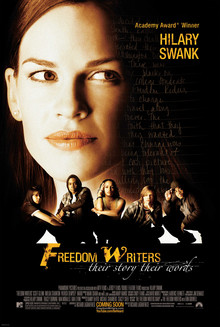
– Freedom Writers (2007): A study on Narrative Therapy. It proves that writing your own story is the only way to stop the world from writing it for you. This film taught me that my “glitch” was actually my voice, as an author.
5th time watching
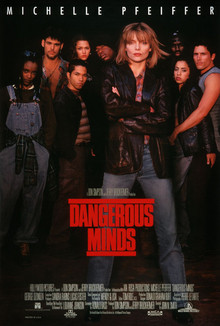
– Dangerous Minds (1995): A lesson in Authentic Authority. You cannot teach a mind until you have captured the heart through raw, unfiltered respect. It reminds me of the fierce way Mrs. Little Luck defended my potential.
4th time watching
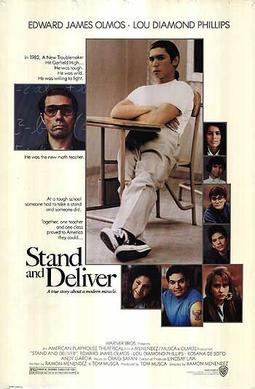
– Stand and Deliver (1988): The ultimate breakdown of The Pygmalion Effect. When a mentor expects greatness, the brain finds a way to overcome its perceived “deficits.” Reading was my mountain, but she was my oxygen.
3rd time watching
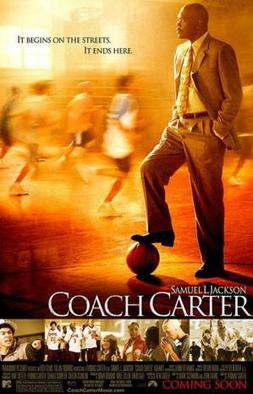
– Coach Carter (2005): An exploration of Boundaries as Love. The realization that someone holding you to a higher standard is the ultimate form of psychological validation. She never let me quit because she knew I wasn’t “broken,” just differently wired.
3rd time watching
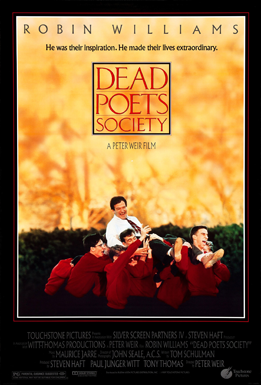
– Dead Poets Society (1989): A tribute to Individualism vs. Conformity. The moment a student realizes that “Carpe Diem” applies even to those of us who read the words a little slower than the rest.
2nd time watching
Today, as I rewatched these movies I realized that I am living proof and a witness to the fact that one person can be the bridge between a “label” and a future.
A Personal Reflection
I used to think I loved these movies because of the story. Now I realize I love them because I was one of those kids. Mrs. Little Luck didn’t just teach me to read, she taught me that I existed.
Because of all this, I’m out here helping kids with dyslexia, but let’s not get it twisted: half the time I’m just looking for a tiny ally who won’t judge me when I still have to double-check; maybe triple, sometimes quadra-check; my writing before I hit ‘send’ on a professional email. Or when I read them a story and I stumble over certain words.
Yeah, it’s still hard for me to read out loud. I usually need to scan a row before speaking it, and I have to be so intentional about my breathing; if I’m not careful, I literally run out of air and start feeling dizzy. Pauses aren’t just punctuation for me, they are my oxygen.
Also, it’s like my brain has a mind of its own: if one word looks even remotely like another, my internal ‘Visual Autocorrect’ kicks in and picks the most likely option before my eyes even finish scanning the letters. I’ll be reading ‘core’ and my brain confidently shouts ‘whore’ just because they share the same ‘vibe.’ It’s a constant battle between what’s actually on the page and the creative guesses my mind makes to fill the gaps.
I survived Mrs. Little Luck’s overtime sessions, but I’m pretty sure the letters are still gaslighting me. At this point, my relationship with the alphabet is a toxic long-distance tragedy: I keep trying to make it work, and the alphabet keeps ghosting my brain.
Public speaking tip: Always double-check your pronunciation. I once tried to explain the ‘core concept’ of a project, but my brain’s visual autocorrect glitched, and I confidently announced the ‘whore concept’ instead. Let’s just say the room got very quiet, very fast.
I am sharing this text exactly as it was generated by my mind. You will notice a structure that deviates from standard writing; I could have polished it to perfection, but that would mean hiding the very ‘glitch’ I am writing about. This is my raw, unedited reality, not a lack of ability, but a choice to value truth over a clinical mask.
Mapping the Unseen
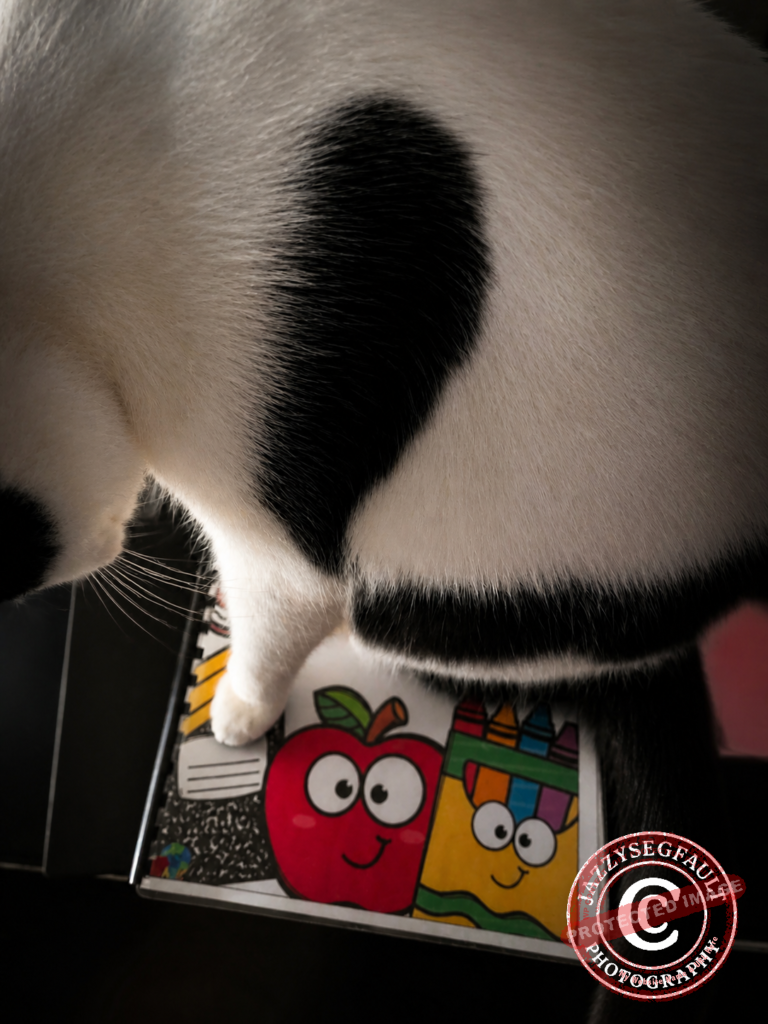
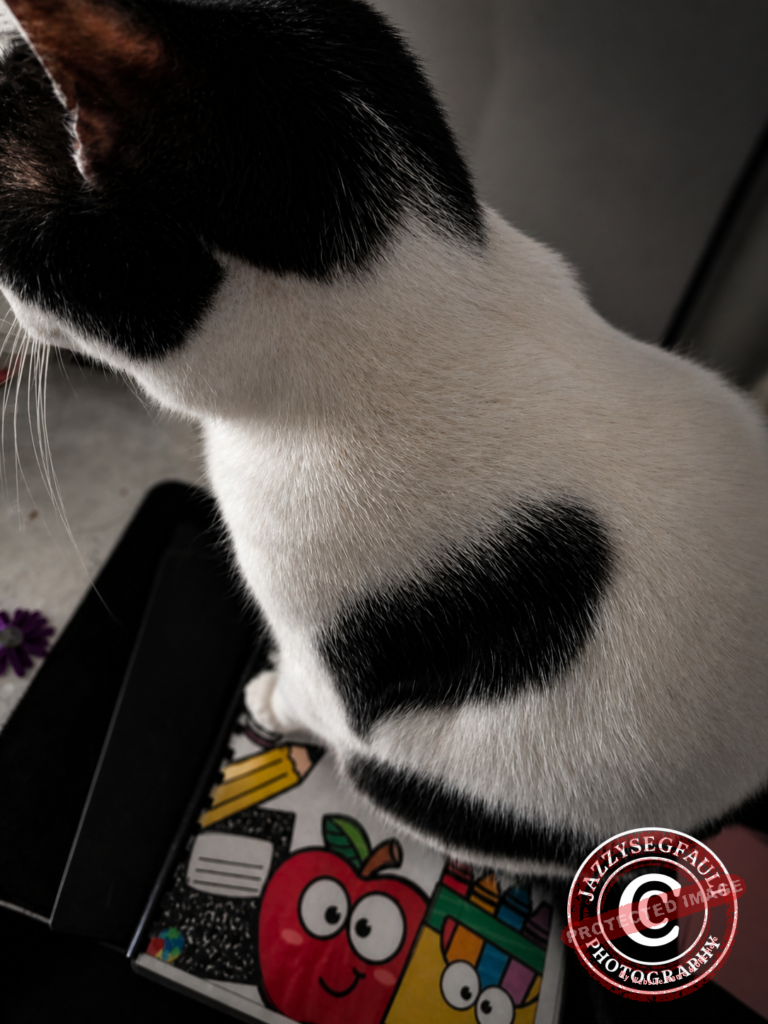
Every child with dyslexia needs a path built just for them, a personalized map through the world of letters and sounds. But sometimes, when the weight of that responsibility feels heavy, a certain furry supervisor steps in.
My cat Puffy decided that this specific notebook is the best place to demand forehead kisses. It’s his way of reminding me to just sit in the quiet and breathe. Apparently, this is his version of “professional support.”
More Than Just a Difference
Dyslexia is not merely a different way of being; it is a genetic “refraction” that leaves many with a profound lack of understanding. People often fail to grasp that we don’t just think differently, we think in images rather than words. It’s a flood of simultaneous thoughts that refuse to line up in a neat, chronological order. For someone like me, information isn’t a luxury; it’s an existential necessity for processing and assimilation.
The Anatomy of an Island
If I have this visceral need to know how a needle is made, then I need to know where it came from, and why it exists. Without every granular detail, I cannot retain the information. Trying to learn through rote repetition is like trying to summon a demon that doesn’t understand your incantation. My mind simply refuses to be “typical” or to follow the well-trodden paths of others.
The Sensory Paradox
Also my hearing is a glitch of its own. It is so sharp that I often wish I didn’t know what the neighbours are discussing in the hallway. I truly don’t need to know why they didn’t make it to the grocery store today.
My sense of smell follows the same erratic rules, and honestly, it might be the hardest one to live with. I can detect that a dish has started to turn long before anyone else even picks up a scent. Most perfumes don’t smell like flowers to me; they feel like they are literally stealing my oxygen, leaving me suffocated. Certain foods trigger an instant wave of nausea before I even see them, my nose has already decided the battle is lost.
My vision follows the same erratic rules. I can’t read a sentence/paragraph like a “normal” person does, but I can see microscopic details that others miss. My partner often hands me IT components, asking me to read serial numbers etched so small they look like dust to the naked eye. I can see those tiny, needle-tip letters with perfect clarity.
Yet, when I try to read a simple page, my brain betrays me. Words like “horse” and “house” become indistinguishable. My mind can track a microscopic “1” from a “7” on a circuit board, but when it faces a sentence, it just shrugs and asks: “They sound similar enough, so why does it matter?”
The Clinical “Glitch” Behind the Senses:
Olfactory Hypersensitivity: In dyslexia, sensory pathways are often more “open.” Smell is the only sense that hits the limbic system directly, the brain’s emotional and survival center. This turns a bad scent into a physical threat (nausea, suffocation), not just a nuisance.
The Survival Scan: Detecting spoiled food or distant sounds is an ancestral survival mechanism. My brain “scans” for environmental threats far more efficiently than a typical one.
The Detail vs. Whole Paradox: This is the signature of my mind. My eyes are high-precision microscopes for technical details, but my brain refuses to act as a linear word processor, it has his only unique autocorrect.
The Marathon of the Spoken Word
Don’t get my started on reading aloud feels like running a marathon without a finish line. If I don’t track the upcoming words with surgical precision, I run out of breath. I have to consciously dose my words with every inhalation and exhalation, navigating periods and commas like hurdles. Sometimes, the physical strain leads to headaches. I’ve literally had to learn how to hold my breath just to finish a sentence.
Breaking the Cycle for the Next Generation
As I look at the children I work with, I wonder: What if I could break these barriers for them now? I want to offer them an alternative so they don’t have to reach adulthood to find the structures I had to fight for. I want them to skip the exhaustion I endured.
This is why I create a unique, proprietary system for every single child. It is immense work, but it is worth every second. No two dyslexics are the same: one might lose sounds, another flips letters, while another replaces entire words. I am doing for them what someone once did for me years ago: I am offering a chance to be seen, understood, and finally, to breathe.
A Personal “Glitch” Note: If you noticed my punctuation is a bit… unconventional, there is a reason. To me, punctuation marks are my greatest enemies when I read. A long sentence is like a double-edged knife. Every time I try to handle one, I end up cutting my fingers because it’s just too heavy to carry. So, if the text feels short and sharp, it’s because I’m just trying to make sure we both get to the end of the page without needing a bandage.
One last confession for the road: Writing is where the real war happens. My brain doesn’t just offer one sentence; it offers three, four, or five versions at the exact same time. Writing feels like I’m forced to kill off four beautiful ideas just so one can survive on the page. And because I’m terrified that a single pause will make me lose the thread, I just run. I end up with a ten-line sentence that looks like a minefield of commas and only one lonely period at the very end. It’s like a tactical sweep after the battle is over, searching for a place to put a sign of life. And as for those long dashes? I run from them like they’re a swarm of angry bees, because, honestly, half the time I have no idea where they are supposed to go. To me, a long dash is just a visual trap, a flatline in the middle of a sentence that makes my brain panic and ask if the story just died.
More Than a Diagnosis: Redefining My Own Reality
I have been accused of using my dyslexia to market my books. But what I am actually doing is trying to show that if you are dyslexic, you can write if that is your desire. You can become a psychologist, even when it feels difficult, even if it requires working harder than everyone else. I have worked various jobs before becoming a psychologist and an author, and I’ve taken something from each of them to fuel what I do today.
I am not using my dyslexia for profit; I am using my own diagnosis to prove that it is possible. My mind is always full, with thoughts that often overlap, and while I have learned how to organize them so I don’t overload my system, that is why I have embraced the term “glitch.” From my point of view, when my mind is flooded with information, it tends to reach that point of a “segfault” error. So, I decided to be that glitch in the normalcy of the world. I accept my neurodivergence, but I don’t want to be considered “atypical.” In psychology, we use the terms “typical” and “atypical,” but as a human being, it hurts to be called atypical. I chose my own label, “glitch”, because I need power over who I am. It is difficult for me to accept being labeled as atypical.
To others, “glitch” might mean an error, but for me, it is a reclamation of my identity. I want to be more than just a diagnosis on a long list of disorders in the DSM. I want to be me, with my highs and lows, my successes and failures; driven by the desire to do what I love, even if it is hard and requires double the effort of “typical” people.
I want to show through my work that you can achieve what you want, even if it is difficult at the beginning. If you want to be a psychologist, an author, an astronaut, a doctor, or anything else, you can. Once our minds receive information, they can find over 20 or 30 solutions in a very short time and choose the one that is best based on the data.
To me, dyslexia is not an anomaly; I see it as a genetic evolution that gives us the chance to find a path that is different, unique, and often better. My deepest wish is that for those who come after me, by the time I take my last breath, they have a better chance than I did. I want a world where being dyslexic, autistic, or otherwise neurodivergent is seen as a bonus; where everyone finds their place. I want them to feel that they can do what they’ve always dreamed of doing. It is harder, yes, but that does not mean it is impossible.
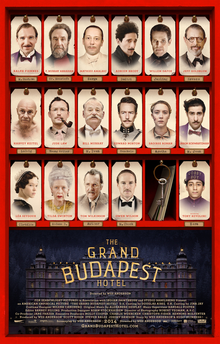
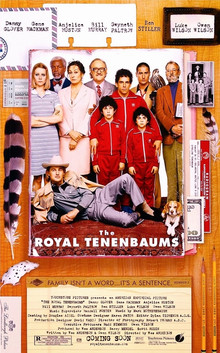
For me, Wes Anderson doesn’t just make movies; he builds “sanctuaries for the unadapted.” Watching The Grand Budapest Hotel and The Royal Tenenbaums for the third time, I see a specific aesthetic of rigidity that hides extreme vulnerability. I identify with these characters, they are “cringe,” they are obsessive, and they flat-out refuse to dilute themselves just to please the world.
1. Resistance Through Etiquette (The Grand Budapest Hotel) I see M. Gustave as the prototype of a man who refuses to let a brutal reality ruin his “vibe.”
The Polished Armor: In a world collapsing into fascism, he remains impeccably perfumed and polite. I don’t see this as snobbery; it’s a survival mechanism. He maintains a rigid structure (the hotel) so he won’t be swallowed by the external chaos. It’s the authenticity of someone who has decided that “manners” are the only form of dignity left. When the external environment becomes chaotic, he creates an ultra-structured micro-universe to preserve the integrity of his Ego.
2. Trauma as a Uniform (The Royal Tenenbaums) In this film, the inability to adapt is a family inheritance. I view the Tenenbaums as a clinical study of “genius children” who failed to become functional adults.
The Costume of Grief: Every character has worn the same “uniform” (the red tracksuit, the headband, the fur coat) for decades. To me, this visual rigidity reflects an emotional freeze-response. They are “special” because they don’t know how to communicate except through these archaic roles, refusing to change in a world that disappointed them. They refuse to “grow up” in a world that doesn’t offer them the safety of their childhood, choosing instead an unadapted form of authenticity.
3. Conclusion: The Beauty of Being Rigid Anderson teaches me that being “unadapted” isn’t a defect. It’s having an operating system refuses to be squeezed into a standard mold. These characters are rigid because their integrity depends on those boundaries.
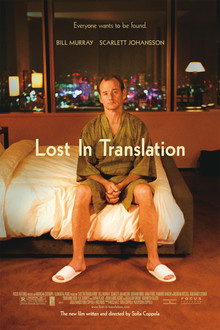
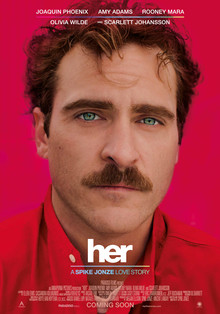
Watching Lost in Translation and Her back-to-back is like observing the evolution of human loneliness. Both films, directed by a former couple (Sofia Coppola and Spike Jonze), feel like two sides of the same psychological coin: the desperate search for a “signal” in a world of static.
1. The Liminal Space of the Soul (Lost in Translation)
In Lost in Translation, loneliness is atmospheric. Bob (Bill Murray) and Charlotte (Scarlett Johansson) are stuck in a “Cultural Glitch”, displaced by geography, age, and failing marriages.
The Jet-Lagged Ego: Their insomnia isn’t just physiological; it’s existential. They are “awake” to the emptiness of their lives while the rest of the world sleeps.
The Shared Whisper: The power of the film lies in the “In-Between.” It’s the realization that sometimes, the only person who can hear your internal frequency is a stranger who is just as lost as you are. It’s a temporary calibration of two broken systems.
2. The Algorithmic Attachment (Her)
If Lost in Translation is about the “unsaid,” Her is about the “over-processed.” Theodore (Joaquin Phoenix) represents the “Solitary Operating System.”
The Surrogate Connection: Theodore falls in love with an AI (Samantha) because she is the ultimate “Hyper-Vigilant” partner. She is designed to anticipate, process, and validate his every emotion.
The Evolution of the Void: The tragedy isn’t that Samantha isn’t “real,” but that even a perfect, personalized intelligence cannot bridge the gap of human finitude. Samantha evolves beyond the linear constraints of human love, leaving Theodore in the ultimate silence of the roof-top.
3. The Connection: Presence vs. Projection
Bob & Charlotte choose a brief, real presence over a long-term lie.
Theodore chooses a long-term projection because the real world feels too abrasive. Both films ask the same clinical question: Is it better to be lonely with someone else, or to be “complete” with a ghost?
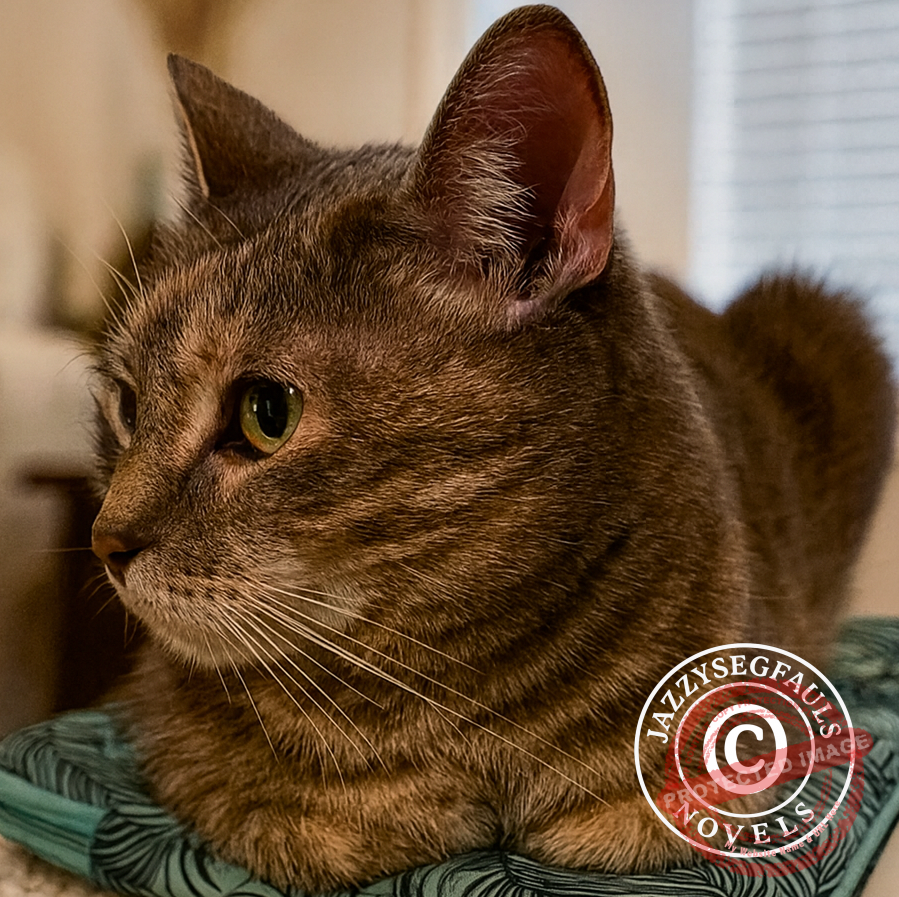
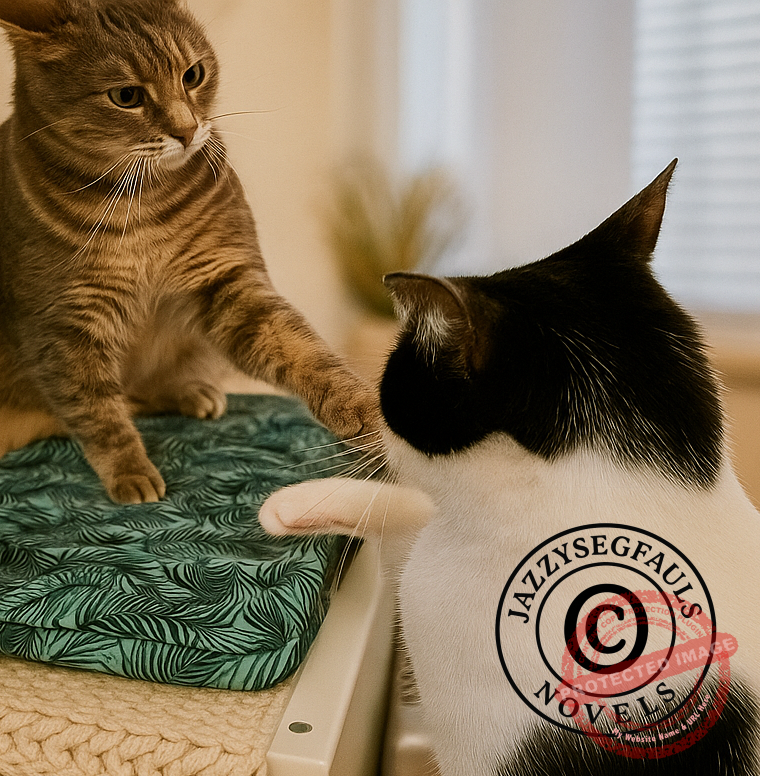
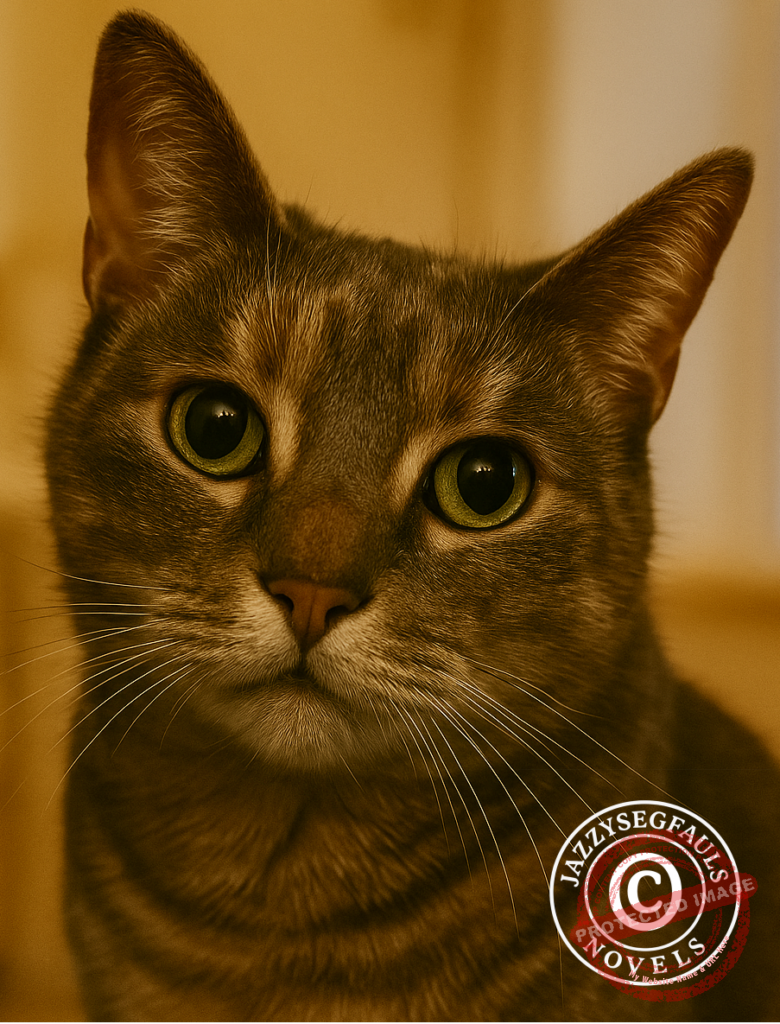
This short test post exists to check site formatting, with feline oversight.
It turns out these fluffy tyrants absolutely run this website, and honestly, I’m just here trying to keep up. If they want chaos, they get chaos. If they want naps… everything stops for the naps. There is no negotiation with creatures who believe gravity exists solely so they can push things off shelves.
Stubborn Cats in Charge
This is a short test post used to verify that the site formatting and settings work correctly. Naturally, the feline supervisors insisted on overseeing every pixel, occasionally batting at the cursor, walking across the keyboard, and offering “feedback” in the form of dramatic staring.
Official Website Status Report (According to the Cats)
If the site loads, they take credit. If it breaks, they deny involvement. If it works perfectly, they sit on the keyboard until it doesn’t. These furry desk overlords approve this message. Probably. They refuse to confirm.
Official Cat Policies
According to the current royal decree issued by the household’s whiskered leadership:
Every page must load instantly, unless someone is sitting on the router.
Keyboard ownership belongs to the cats; humans may borrow it during approved writing sessions.
All typos are considered their creative contributions.
If a post performs well, they claim responsibility.
If a post performs badly, they absolutely deny involvement.
These policies are final. Attempting to change them requires petitioning a committee of two napping felines, which has a 0% approval rate.
Final Verdict from HQ (Headquarters of Quirkiness)
The cats continue to monitor this website with great disinterest, approving and disapproving things without explanation. This test post exists purely because they demanded attention, and because sometimes, chaos needs documentation.