BOOK GIVEAWAY: As part of my ongoing series supporting indie authors, I am giving away 3 eBook copies of Judit Tar books to 3 lucky readers!
Click here to check the full entry requirements and join the giveaway!
Here is how to participate in the giveaway:
- Follow the Author: Show them some love on their social media (links provided at the end of this post).
- Leave a Comment: Read the interview and tell us:
What specific answer in the interview made you want to read the author’s book/books?
A small favor to ask:
If you are one of the lucky winners, leaving a short, honest review on Amazon or/and Goodreads once you finish reading would mean the world to the author. It is completely optional and never required, but as indie writers know, even a quick two-sentence review helps a book immensely!
About the author
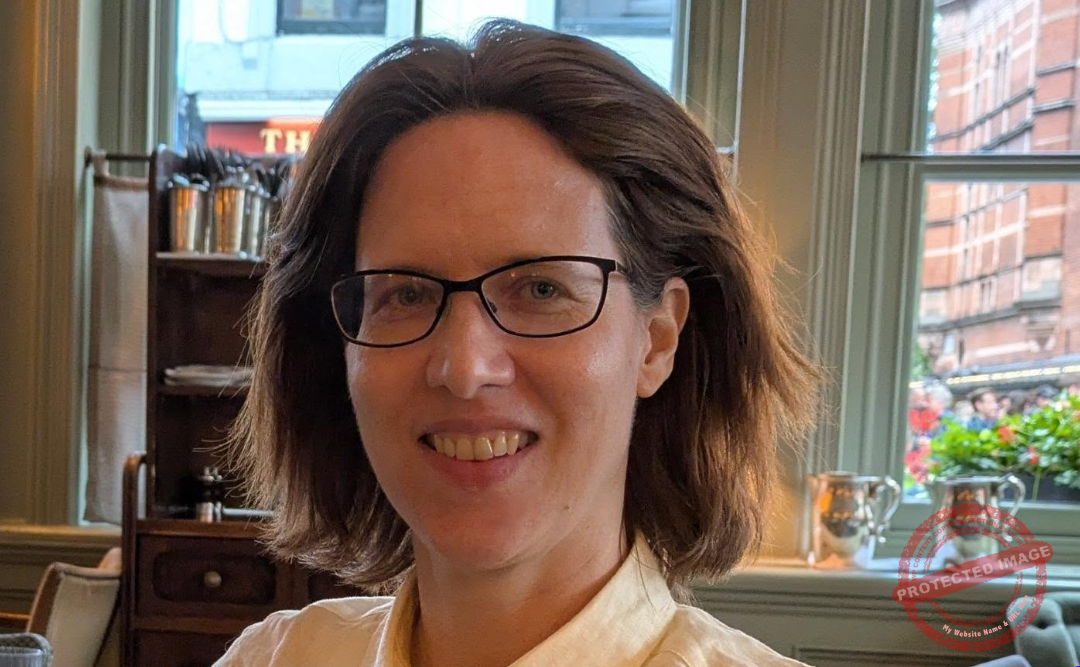
Judit Tar explores the emotional distances within marriage, friendship, and modern life. Writing short contemporary literary fiction, she focuses on what happens when relationships break down silently: the lack of touch and quality time between partners, and the disappointment of realizing you might not matter as much to certain friends as they matter to you.
Her stories take less than an hour to read, but she handles the ache of loneliness and the longing to be seen with such precision that every word feels deliberate and deeply memorable. Her approach to writing, confronting hard truths in relationships, and the power of concise storytelling is is what makes her work so deeply resonant and impossible to forget.
Interview Questions
- Many readers experience stories as vivid movies playing out in their heads rather than linear sentences. When you write, do you see the scenes unfolding visually first, or do you hear the characters’ voices?
I see the scenes unfolding visually rather than hearing the characters’ voices. Interestingly, I don’t hear Lena speaking in my head. Instead, I see the scenes unfold: I see her excitement and anticipation as she prepares for the art exhibition, the exhibition itself, and witness the emotional aftermath. When I write, I immerse myself in those moments so completely that I often feel what Lena is going through as if it happened to me.
- If you were forbidden from using written language to summarize your main character, what 3 songs, objects, or images would you hand someone to explain who they are?
- Every book has hidden patterns, subtle details, or background elements that most people miss on a first read. What is one tiny, easily overlooked detail in your book/books that holds a massive secret meaning for you?
One easily overlooked detail in The Space Between Us is that the story isn’t just about the friends who didn’t attend Lena’s exhibition. It’s also about the people who did show up.
The novella also explores the surprising ways support can appear in our lives. Sometimes the people we expect to be there for us let us down, while strangers or colleagues offer care when we need it most.
- Years from now, a reader might forget the exact plot points or character names, but they’ll remember how your book/books made them feel. What is the single emotional residue you want left behind in their mind?
If there’s one feeling I’d like readers to carry with them, it’s the reassurance that they’re not alone. Feeling unseen in friendships is a universal experience and doesn’t mean you’ve failed at maintaining those connections. Meaningful friendships require mutual effort, and the distance we feel is not a reflection of our worth.
- If you could step inside your book/books for just 10 minutes as an invisible observer, which specific scene would you want to physically stand in and experience?
Honestly, none of them. While I enjoyed writing the novella, I wouldn’t want to experience Lena’s disappointment firsthand, the emotional hurt she goes through. If I had to choose one aspect, it would be the moments when Lena’s husband shows care and compassion.
- If your main character suddenly gained full control over their own fate and decided to walk away from the main plot of your book/books, what totally different life would they choose?
I think Lena would stop measuring her happiness by other people’s presence. Rather than waiting for friends to show up, she would focus on building a life she enjoys on her own terms and becoming comfortable in her own company.
- Books often transform the reader, but they also change the writer. What is something you see or understand differently about the real world now that you’ve finished writing your book/books?
Writing The Space Between Us made me think about my own relationships, particularly the one-sided ones. It encouraged me to look at whether the effort and care being invested were mutual. A few weeks ago, I was traveling for work and none of my colleagues were available for dinner. Instead of feeling disappointed, I found myself thinking about Lena and what advice I would give her. Rather than staying in the hotel, I went out, explored the city, and enjoyed dinner on my own. Being alone doesn’t have to mean being lonely.
Links to find the author:
Leave a Reply