Blog

  • The Crimson Sanctum ● Where Hunger Is Not Treated as a Sin

    Why the Crimson Sanctum Exists

    The Crimson Sanctum exists because some hungers don’t disappear when ignored. Instead, they deepen.

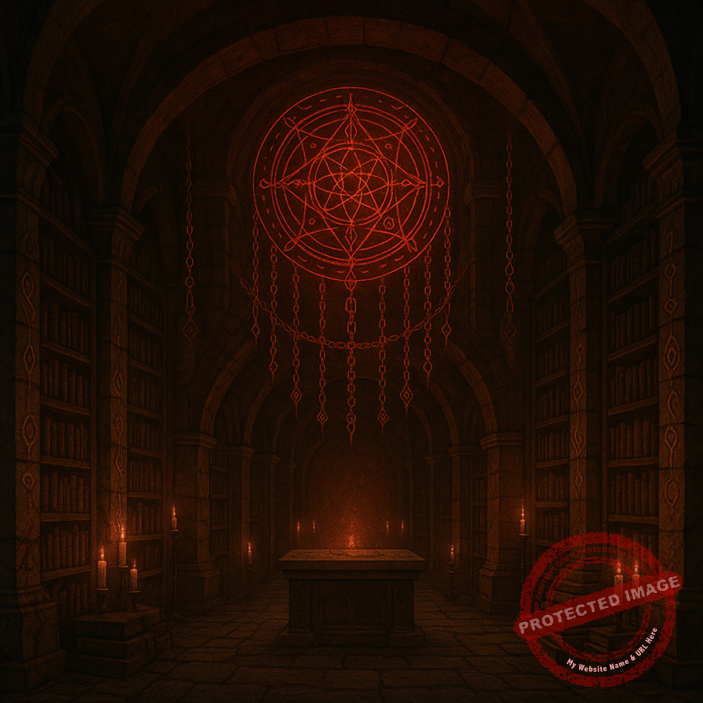
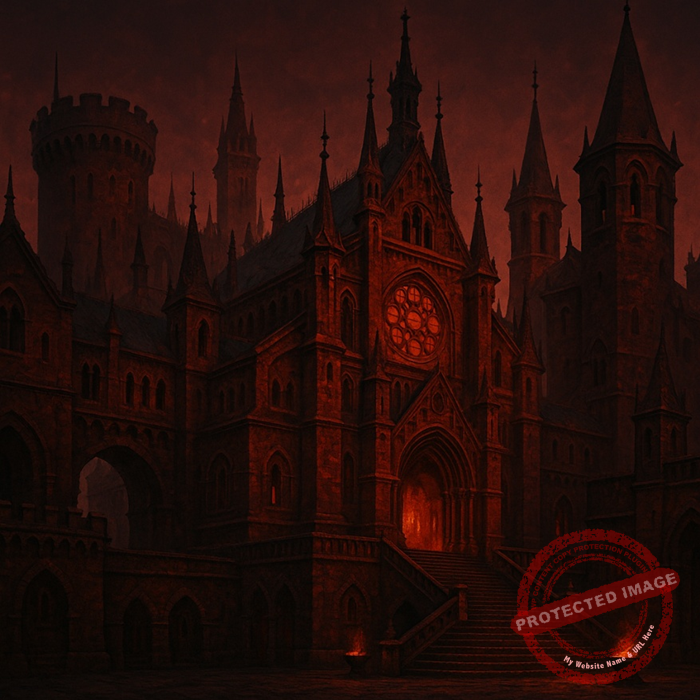
    In this context, Veir rises as a gothic citadel above ancient catacombs and rivers of echoing bloodlines. As a result, everything here is layered: stone over memory, ritual over instinct, restraint over desire. However, the Sanctum does not exist to glorify darkness. Instead, it exists to contain it.

    At the heart of the Sanctum lie the Cradle Archives, a living record of every pact, betrayal, and broken vow since the Age of Rupture. No one spills blood here carelessly. It is written with intention. The Sanctum preserves memory not to punish, but to prevent self-deception.

    When I was writing Book Two, this realm emerged during a phase where I was learning that hunger itself is not the danger. Shame is. The more something is denied, the more power it gains in the dark. I did not need eradication; I needed acknowledgment, structure, and honesty.

    That’s what the Crimson Sanctum provides.

    Hunger Without Indulgence

    Instead, shadow magic here is not secretive for its own sake. It is protection, boundaries that allow desire, need, and longing to exist without becoming destructive. Illusionary defenses don’t exist to lie to others, but to keep what is raw from being exposed before it’s ready.

    Aedric Netharien rules as Prince of the Archive not because he commands fear, but because he remembers. His authority comes from restraint, from the willingness to look directly at what has been done and still choose differently going forward.

    Memory, Blood, and Restraint

    In my own process, the Crimson Sanctum represents the part of healing where I stopped asking myself to be pure. Where I learned that wanting, craving, and fearing are not moral failures, they are signals. And like any signal, they need interpretation, not punishment.

    Shadow as Discipline, Not Escape

    For this reason, blood sigils exist here because meaning matters.
    Ancestral memory matters because patterns repeat when unseen.
    Shadow exists because light alone cannot hold everything.

    What the Sanctum Is Not

    The Crimson Sanctum is not a place of indulgence.

    It is a place that gives hunger rules so it never rules everything.
    Blog Categories*

    Behind the Scenes

    Personal Notes

    Explore the archive

    *This blog extends ideas from the novels, reflections, process writing, and lived experience behind the stories.
  • The Iron Howl ● Where Instinct Is Given Shape

    Instinct Is Not the Enemy

    The Iron Howl does not erase instinct. It contains it.

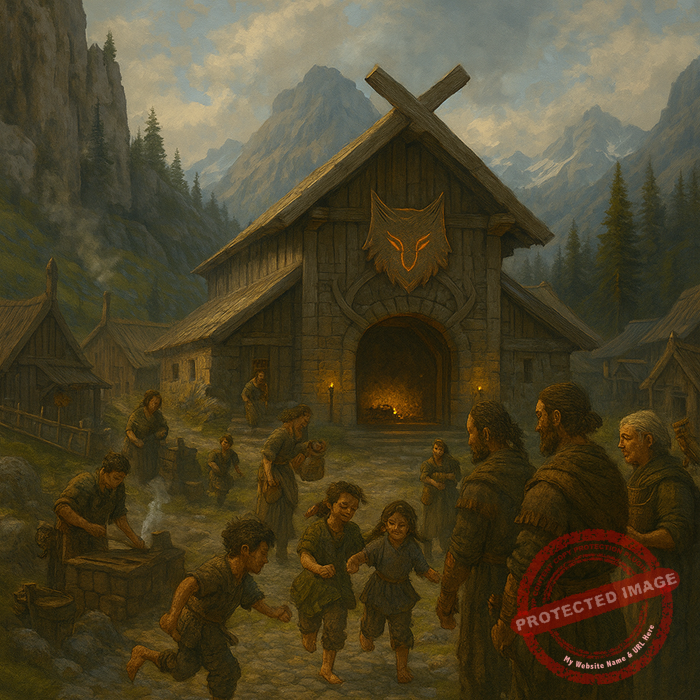
    This is a vast land of wild valleys, highland forests, and cliffs split open by storms. Each clan holds its own region and governs itself by its own laws, yet all stand beneath one protection: Kael Stormrend. Not because he dominates them, but because he understands what happens when instinct is left alone without structure.

    Why Iron Howl Exists

    When I was writing Book Two, this realm emerged during a phase where I was learning that instinct is not the enemy. Instead, suppressing it only made it louder. As a result, letting it run unchecked made it dangerous. Therefore, what it needed was form. Witness. Boundary.

    That’s what Iron Howl is.

    Restraint Is a Learned Strength

    The Moonforge stands at its heart, not just as a place that shapes weapons, but as the forge that tempers raw force. In contrast, destruction does not prove strength. Instead, restraint proves strength through knowing when to strike and when to stand down.

    For this reason, sacred hunting rites do not glorify violence. They teach responsibility for what is taken and what is spared.

    The Social Shape of the Howl

    Each clan governs itself, and that matters. No single voice claims ownership over instinct. Instead, Iron Howl distributes instinct, ritualizes it, and holds it accountable through oath binding and spiritual trials. Ultimately, Iron Howl does not deny power; it witnesses it.

    Kael’s role as king is not to tame Iron Howl. Rather, it is to stand with it.

    In my own process, Iron Howl marks the phase where I stopped fearing my reactions: anger, protectiveness, intensity, and began asking what they were trying to protect. Therapy did not silence these forces. It was about learning their language, their limits, their needs.

    Elemental warfare exists here because emotion is elemental.
    Oaths matter because instinct needs commitment.
    Trials exist because meaning must shape raw force.

    Iron Howl is not a place of chaos.

    It is a place where chaos was finally taught how to belong.

    Blog Categories*

    Behind the Scenes

    Personal Notes

    Explore the archive

    *This blog extends ideas from the novels, reflections, process writing, and lived experience behind the stories.
  • The Verdant Veil ● Where Memory Is Allowed to Stay

    A Place Where Memory Is Not a Problem

    The Verdant Veil was the first place I knew had to exist.

    Not because it was beautiful, though it is, but rather because, in contrast, I needed a place where memory was not treated as a problem to solve.

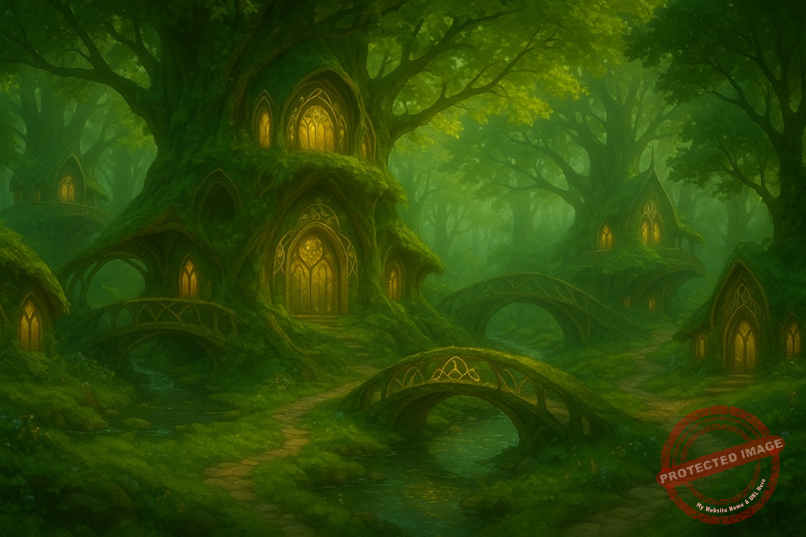
    The Veil is lush, ancient, and layered with magic that does not rush. Sun Elves and Moon Elves live side by side here, alongside dryads and whispering glades, beneath spellwood trees that remember the First War. These trees don’t record history the way books do. They hold it in their grain. Over time, they grow around it. They do not forget.

    Because of that, it mattered to me.

    At the same time, when I was writing Book Two, I was learning that some memories don’t soften with time. They don’t soften with time. Instead, they don’t resolve neatly. As a result, they remain, quietly influencing everything that grows afterward.

    The Hall of Echoes

    Hidden within the forest lies the Hall of Echoes, a chamber bound to memory and truth. It doesn’t exist to accuse or absolve. It exists to reflect. You don’t enter it to be judged, you enter it to hear what still speaks when you stop trying to outrun it.

    This was once Aistriana’s realm.

    She ruled here not through force, but through listening. And when she stepped down, it wasn’t a failure of leadership. It was an acknowledgment of something I was learning myself: that caretaking memory is different from carrying it alone.

    What the Verdant Veil Represents

    In my own process, then, the Verdant Veil represents the part of healing where you stop asking memory to justify itself. Where you no longer demand that pain explain why it stayed. You allow it a place. You give it language, ritual, and boundary.

    Diplomacy here is not political – it’s internal.
    Healing arts do not erase – they bind.
    Magic doesn’t dominate – it remembers.

    The Verdant Veil exists because memory needed a home that wouldn’t try to fix it.

    And because I did too.

    Blog Categories*

    Behind the Scenes

    Personal Notes

    Explore the archive

    *This blog extends ideas from the novels, reflections, process writing, and lived experience behind the stories.
  • Vharon Aza’Kharel • The Fire That Refused the Crown

    Vharon Aza’Kharel is not introduced as a ruler.
    He is introduced as an absence.

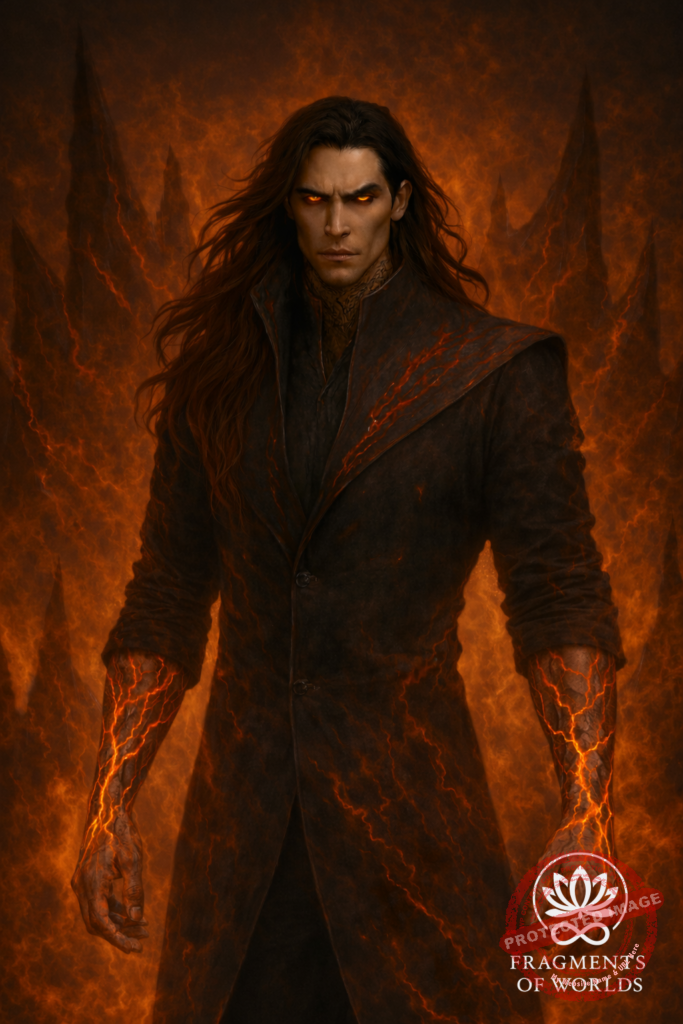
    Heir of flame. Son of a tyrant queen. Born into a lineage where power was not questioned, only inherited. His right to rule was written in blood and reinforced by fear long before he was old enough to understand what a crown truly demands.

    And so he refused it.

    Among demons, fire is not merely destruction, it is authority. To burn is to command. To rule is to consume. Vharon learned this early, watching power hollow those who wielded it until nothing remained but hunger and ash.

    He walked away before it could hollow him too.

    Exile was not punishment.
    It was restraint.

    On the battlefield, Vharon did not fight for conquest or glory. He fought to contain what his bloodline would have unleashed if left unchecked. Every enemy felled was a promise kept: that the world would not suffer because of what he was born from.

    Power terrified him, not because it was weak, but because it was easy.

    Then the bond awakened.

    Not in peace.
    Not in ceremony.

    But in war.

    When he first saw Aistriana, flame answered something it had never obeyed before. The bond marked them both, sudden, undeniable, and unfinished. And before it could be named, before it could be chosen or refused, she was gone.

    The bond remained.

    Unclaimed.
    Unresolved.

    Years passed. Wars ended. Kingdoms shifted. And still, the bond did not fade. It waited—quietly, relentlessly, like embers beneath ash.

    For Vharon, love is not temptation.

    It is threat.

    If power binds, then love might bind deeper still. And he has already spent a lifetime refusing anything that could turn him into what he despises.

    My blood may be cursed.
    But it was never hers I feared to touch.

    This is not the fear of intimacy.
    It is the fear of inheritance.

    Vharon does not doubt his ability to burn.
    He doubts his ability to stop.

    His story is not about redemption.
    It is about choice made again and again, even when desire pulls toward flame.

    He is not the fire that destroys worlds.
    He is the fire that stands guard against itself.

    And in the end, the question he must face is not whether love will save him.

    It is whether refusing it will cost him everything.

    Vharon’s story begins in The Whisper War, where power is offered as inheritance, and refusal becomes its own kind of flame.

    His journey continues through Threads of the Triad, available on Amazon. https://www.amazon.com/dp/B0FM4HFXPZ

  • Aedric Netharien • The Man Who Remembers

    Aedric Netharien is not introduced as a monster.
    He is introduced as a witness.

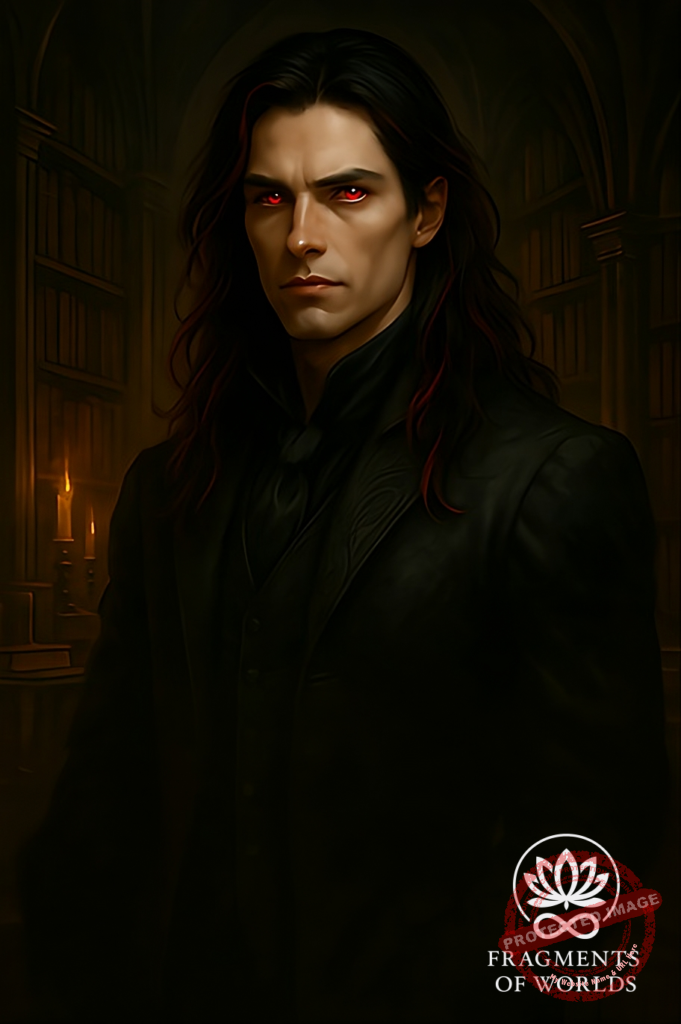
    Prince of the Archive. Scholar of shadows. Archivist of wars that most realms would prefer to forget, he has lived for over three millennia carrying what others could not bear to remember. At 3,212 years old, he appears no older than a man in his thirties, but time has never passed lightly through him. It has settled. Layered. Pressed itself into every silence he keeps.

    The Vampiric Sanctum is not a place of indulgence or conquest.
    It is a place of record.

    Under Aedric’s care, history is preserved in blood-ink and memory, catalogued with precision and restraint. Betrayals. Extinctions. Broken treaties. He remembers them all, not because he revels in power, but because forgetting would make their cost meaningless.

    For Aedric, memory is not nostalgia.
    It is responsibility.

    He learned long ago that survival does not always belong to the strongest, but to the ones who know when to disappear. So he learned to move at the edges of power, to smile when silence was safer, to become charming when truth would invite execution.

    The mask came first.
    The man followed later.

    What he fears is not judgment.
    He has lived with judgment for centuries.

    What he fears is being truly seen.

    Because beneath the cultivated intellect and careful wit is someone who has made choices in blood, choices that saved realms at the cost of lives, choices that cannot be undone, only remembered. He has learned to carry guilt with elegance, remorse with structure, and grief without ever letting it fracture the Archive he guards.

    Then the bond awakens.

    Not as temptation.
    Not as absolution.

    But as risk.

    The triad bond ties him to Aistriana in a way no archive ever has. It does not ask for his knowledge. It asks for his truth. And truth is dangerous when your entire existence has been shaped by what must never be revealed.

    For the first time in centuries, Aedric is not afraid of what he has done.

    He is afraid of what she might see.

    I would let the world doubt me.
    As long as she never does.”

    This is not the confession of a man seeking redemption.
    It is the quiet plea of someone who has learned that love, like memory, can preserve, or destroy, depending on what it is allowed to hold.

    Aedric Netharien is not defined by hunger.
    He is defined by restraint.

    Not by immortality.
    But by endurance.

    His story is not about learning to feel again.
    It is about learning that being seen does not have to mean being erased.

    And that sometimes, the most dangerous thing an immortal can risk is not war, but trust.

    Aedric’s story begins in The Whisper War, where restraint is survival and memory carries a price.

    His journey continues through Threads of the Triad, available on Amazon. https://www.amazon.com/dp/B0FM4HFXPZ

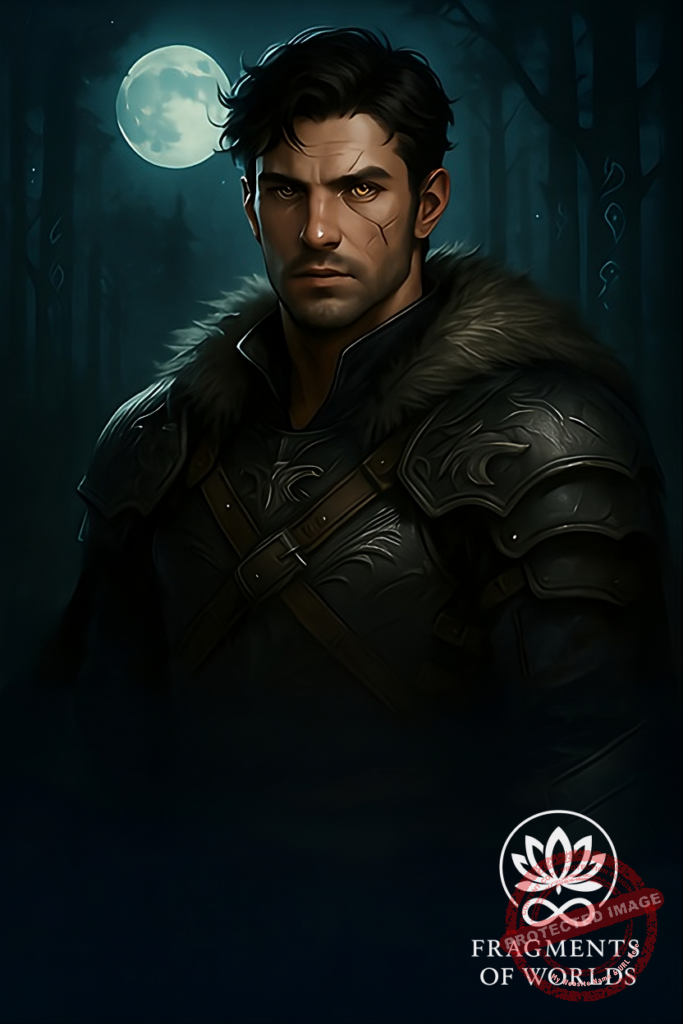
  • Kael Stormrend • Strength That Chooses Restraint

    Kael Stormrend is not introduced as fury.
    He is introduced as control.

    King of the Shapeshifters, War General, protector of a people forged by instinct and survival, Kael has lived forty-five years with a storm in his blood and a crown on his shoulders. He carries both with equal discipline.

    To the outside world, he is the wolf-king: decisive, relentless, impossible to break in battle. His leadership is respected not because he dominates, but because he endures. He stands at the front of every conflict not to prove strength, but to absorb what would otherwise shatter those behind him.

    But power has never been the thing that defines Kael.

    What defines him is fear.

    Not fear of enemies.
    Not fear of death.
    But fear of his own fury.

    Among the shapeshifters, rage is not a flaw, it is inheritance. Wolves are taught to trust instinct, to answer threat with teeth and claws, to survive by becoming sharper than the world around them. Kael mastered that instinct early. Too early.

    And once you learn how easily strength can hurt what it means to protect, you never stop carrying that knowledge.

    So Kael learned restraint before he learned peace.

    As king, tradition demands obedience.
    Hierarchy. Pack law. Clear dominance.

    As a man, something quieter asks for truth.

    He does not want a mate who submits to his power.
    He wants one who does not flinch from it.

    When the bond with Aistriana surfaces during a fractured council summit, amid politics, suspicion, and centuries of old wounds, it does not feel like victory. It feels like exposure. The bond does not soothe the storm in him. It stands beside it.

    And that is what unsettles him most.

    Kael does not dream of conquest.
    He dreams of standing still.

    Of being present without fear of breaking what he loves.
    Of choosing protection over possession.
    Of learning that strength can exist without domination.

    I don’t want to tame you.

    I want to stand beside you when you burn.

    This is not a declaration of romance.
    It is a declaration of philosophy.

    Kael Stormrend believes that true power does not command.
    It witnesses.
    It stays.
    It bears the weight without demanding submission in return.

    His story is not about becoming softer.
    It is about learning that restraint is not weakness, and that fury, when acknowledged instead of denied, can become loyalty instead of destruction.

    He is not the calm after the storm.

    He is the one who learned how to hold it.

    Kael’s journey begins in The Whisper War, where loyalty, restraint, and awakening bonds first collide.

    Kael’s story unfolds across the Threads of the Triad series, available on Amazon. https://www.amazon.com/dp/B0FM4HFXPZ

  • Aistriana Sylveth • She Who Threaded Realms

    The Thread That Holds the Realms

    Aistriana Sylveth is not introduced as a beginning.
    She is introduced as a continuation.

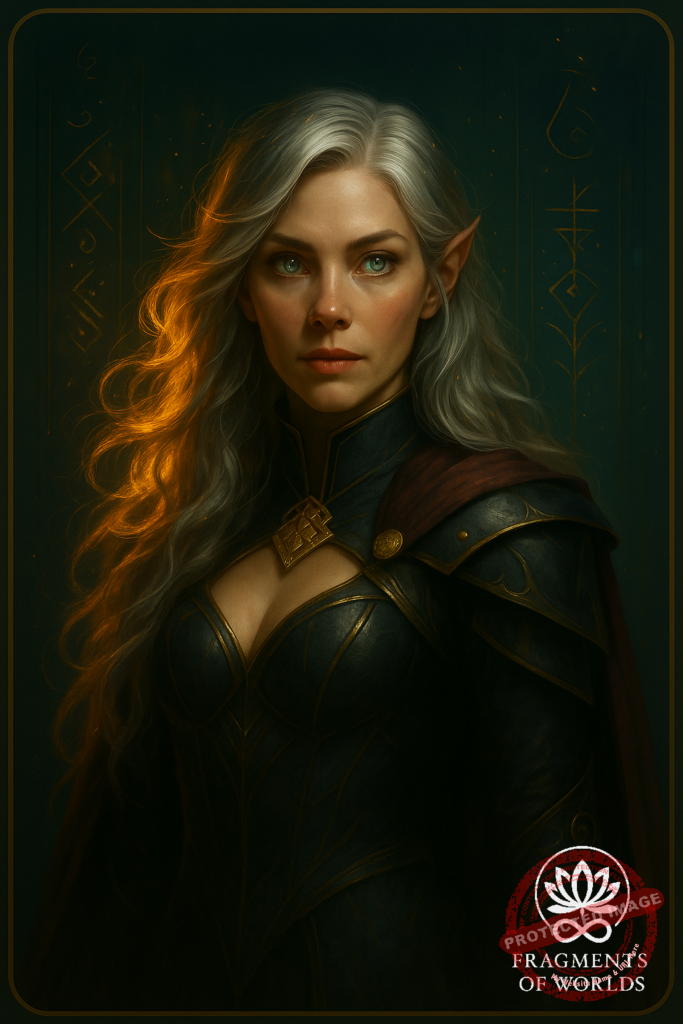
    Former Queen of the Fairies, she stands at the crossing of bloodlines that were never meant to meet: Sun Elf and Moon Elf, Werelynx, Vampire. A tribrid not by ambition, but by inheritance, born of a forbidden love that once threatened to fracture the balance of the realms themselves.

    She carries that legacy quietly.

    At 748 years old, Aistriana appears no older than a woman in her mid-thirties, yet her presence is layered with centuries of decisions, losses, and alliances. Once crowned Queen of the Fairies, she ruled not through conquest, but through binding, weaving fragile accords between powers that did not trust one another. It is why she came to be known as She Who Threaded Realms.

    But threads come at a cost.

    Ancient magic settles heavily in her bones. Political responsibility leaves little room for softness. And grief: unprocessed, unspoken, fractures her inner world more deeply than any war ever could. What she lost is not easily named, and what remains is a woman who learned that love can destabilize worlds just as easily as it can save them.

    So she locks her heart behind duty.

    Not out of coldness.
    Out of survival.

    When the triad bond awakens: binding her to Kael, Aedric, and Vharon, it does not arrive as salvation. It arrives as a reckoning. Three soul-bonds do not promise balance; they demand it. They force her to face a future she never asked for, and a past she has never truly buried.

    Aistriana does not seek peace as an ideal.
    She understands it as labor.

    “Peace is not the absence of pain.
    It’s what we choose to build in spite of it.”

    This is where her story begins.
    Not with innocence, but with endurance.
    Not with prophecy, but with choice.

    Her journey begins in The Whisper War, where grief, silence, and awakening bonds first collide.

    Aistriana’s story unfolds across the Threads of the Triad series, available on Amazon.https://www.amazon.com/dp/B0FM4HFXPZ

  • Fae Queen Fantasy Romance • On the First Book and the Three Who Walk Beside Her

    Where Stories Quietly Begin

    Stories often begin quietly, in the margins, in the places where honesty feels safer on paper than spoken aloud.
    My first book began that way too.

    This story marks the beginning of a Fae Queen Fantasy Romance where loss becomes the doorway toward connection and possibility.

    A Moment Inside This Fae Queen Fantasy Romance

    In those early notes, the queen at the heart of the story carried her own deep grief.
    She had lost the woman she loved: her first mate, her steady light. In the aftermath, she did what many strong people do, she stood alone.

    Duty became her armor. Silence became her companion. She wore the crown not out of desire, but because someone had to.

    Stepping Away from the Throne

    When she finally chooses to step down from the throne, she expects emptiness, not possibility.
    What she finds instead is connection in its most unexpected form, not with one person, but with three men whose presence disrupts the quiet she has wrapped herself in.

    The Three Who Walk Beside Her

    Some readers may see the three men as a bold twist or a rebellion against what is expected of a queen.
    A woman with three mates.
    Three different temperaments.
    Three different ways of being seen.

    But for me, privately, quietly, they always meant something gentler than shock or defiance.

    I didn’t write them as reflections of her wounds or as fragments of her past.
    They were never meant to “fix” her through romance.
    Instead, each one became a marker along her inner path, representing moments when her heart remembers there is more to life than duty, pain, or survival.

    Echoes Along Her Path

    Each man symbolizes a kind of rediscovery:

    • the reminder that rest is allowed,
    • the truth that connection can come from unexpected places,
    • the surprising gentleness that can pull someone back toward the world when they thought they were finished with it.

    They are not saviors.
    They offer clarity, revealing parts of herself she had forgotten how to see.
    In the end, they represent possibility, not perfection.

    Before the Story Had a Name

    In my earliest drafts, these three figures appeared long before the story had a name.
    I never meant for them to fit into one shape or one definition of love.
    Rather, they exist to show that the path forward can open through more than one doorway, and that the heart, fictional or not, is far more layered and nuanced than tradition often allows.

    For the queen, loving again is not surrender.
    It is a choice to stay alive to the world, to connection, to magic, on her own terms.

    Love as a Return to Life

    And that, I think, is why this book became the first in a series.
    It wasn’t only about worldbuilding, fae courts, tangled destinies, or ancient power.
    At its core, I was writing about a character who discovers that her story did not end where she once believed it had.

    She survives.
    Then she grows.
    And finally, she chooses life in all its complicated, unexpected forms.

    A Story About Beginning Again

    In doing so, she discovers something I learned while writing her:

    Sometimes, a person returns to themselves not through a single love or a single path, but … through all the ways they allow themselves to begin again.

    At its core, this book opens the first realm of a Fae Queen Fantasy Romance, shaped by healing, magic, and transformation.

    Welcome to the first realm of The Threads of the Triad.
    The story begins with loss, but it doesn’t stay there.
    It opens, quietly and beautifully, toward possibility.

    JazzySegfault

    Read more about the series here:
    https://jazzysegfaultnovels.com/books/

    For readers who love fae fantasy, explore similar worlds here:
    https://www.goodreads.com/genres/fantasy-romance


    Blog Categories*

    Behind the Scenes

    Personal Notes

    Explore the archive

    *This blog extends ideas from the novels, reflections, process writing, and lived experience behind the stories.