Drealthane: A City Removed from the Ground
Drealthane exists because no one can leave peace unattended.
It drifts.
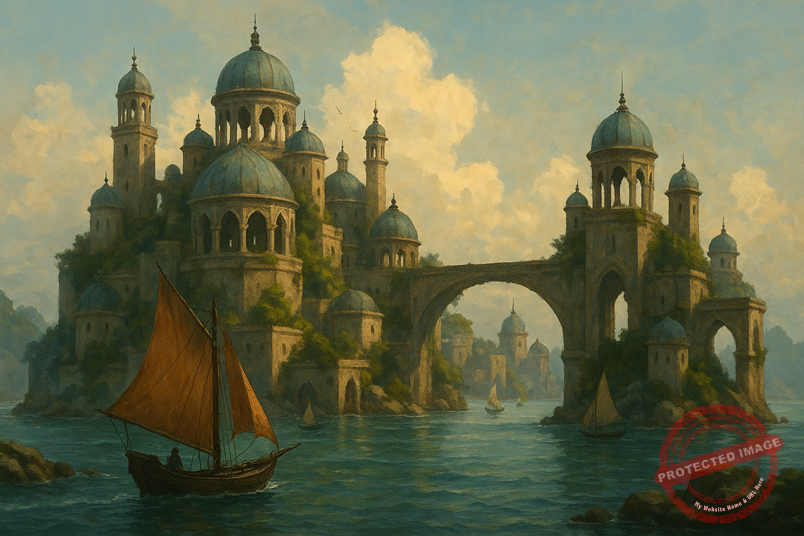
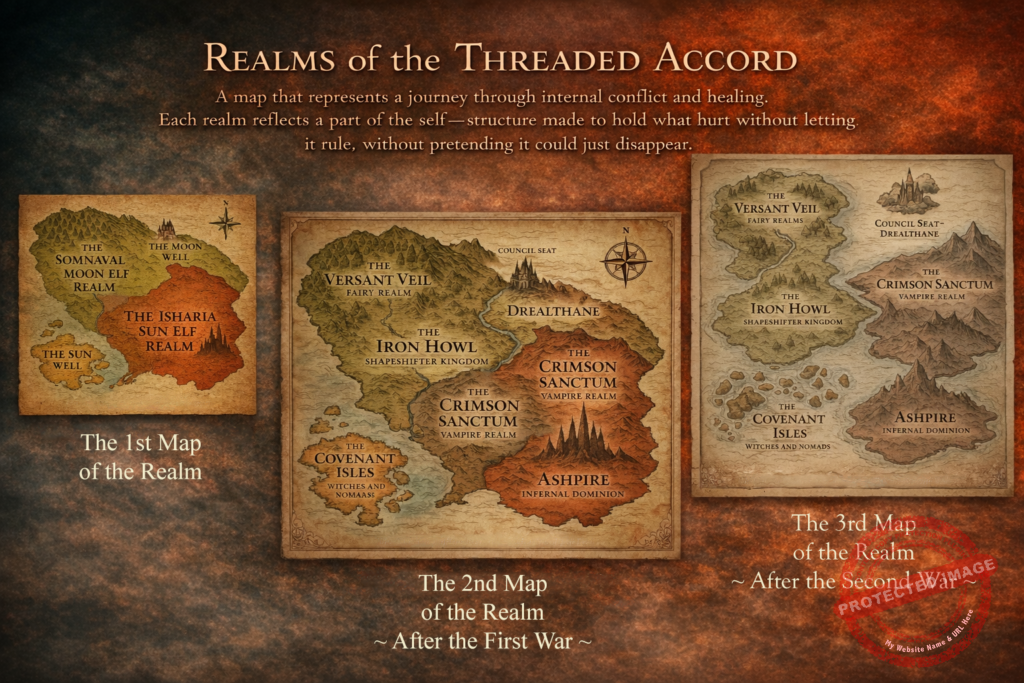
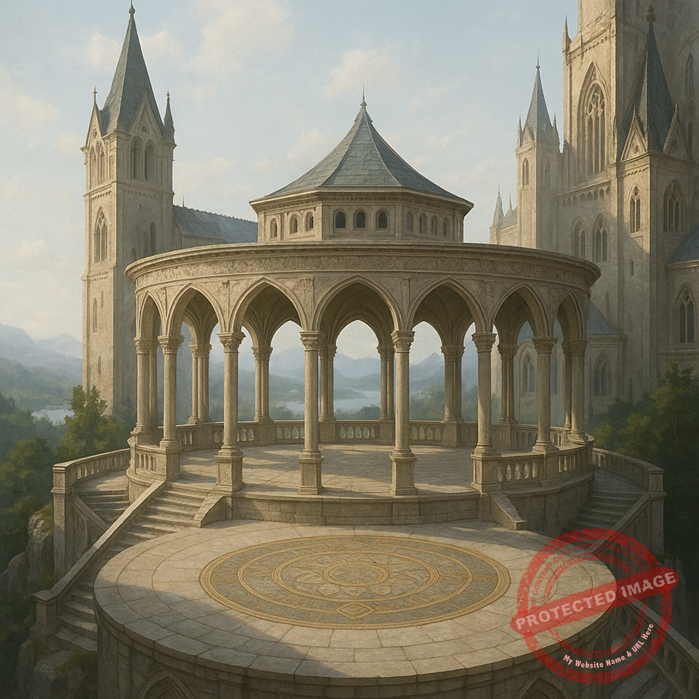
Suspended at the convergence point of all five realms, the Council Seat floats not as a symbol of unity, but of mutual restraint. However, the realms trusted none of themselves to hold it. Likewise, no land proved neutral enough. Therefore, they lifted the city from the ground, holding it aloft through shared magic and shared suspicion.
The Council Seat and the Architecture of Restraint
The High Council meets here once per cycle, not to celebrate harmony, but to maintain it. Meanwhile, trade passes through Drealthane’s corridors, and alongside it move whispers, leverage, and quiet negotiations that never make it into official record.
Surveillance, Trust, and Maintained Balance
Magical surveillance operates openly. Everyone acknowledges it. Everyone knows the system watches them.
That, too, is part of the system.
Political intrigue exists here because power never disappears, it relocates.
Surveillance exists because trust is earned slowly and lost quickly.
Neutrality exists because no single part of the self can govern the whole without consequence.
No Throne, Only Responsibility
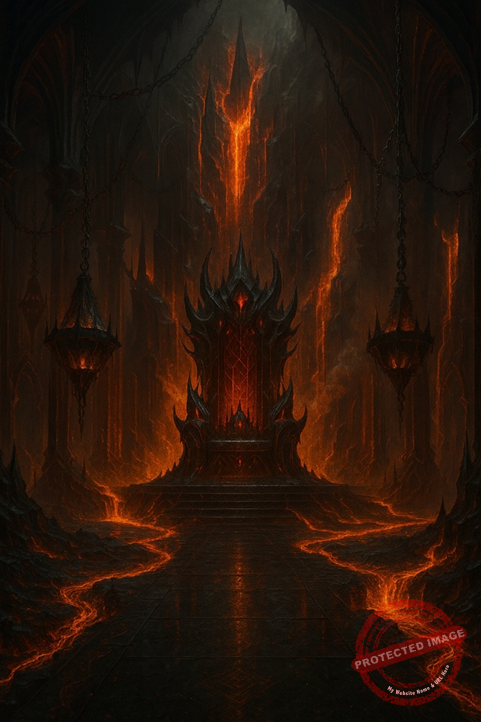
There is no throne in Drealthane.
Only seats that rotate.
Only voices that must answer to one another.
The Whisper War and the Cost of Stability
This is where the Triad Bond was rediscovered.
And where the Whisper War began.
Not with violence, but with doubt.
When Peace Became a Practice
While writing Book Two, I shaped Drealthane when I realized that internal peace never remains permanent. It is a practice that requires oversight. Attention. Willingness to intervene when something begins to tilt too far.
Drealthane represents the phase where I stopped believing that balance, once achieved, would hold on its own. Where I learned that the most dangerous assumption is “this will stay stable without effort.”
What Drealthane Taught Me About Peace
In my own process, Drealthane is the place where I learned that peace is not a feeling, it is maintenance. It requires checking in, recalibrating, and sometimes admitting that something once working no longer does.
In the same way, the Council Seat does not promise safety. It promises attention.
And sometimes, that attention is the only thing keeping everything from falling apart.
Blog Categories*
*This blog extends ideas from the novels, reflections, process writing, and lived experience behind the stories.